6 Reasons Businesses Should Choose Spray Foam Insulation
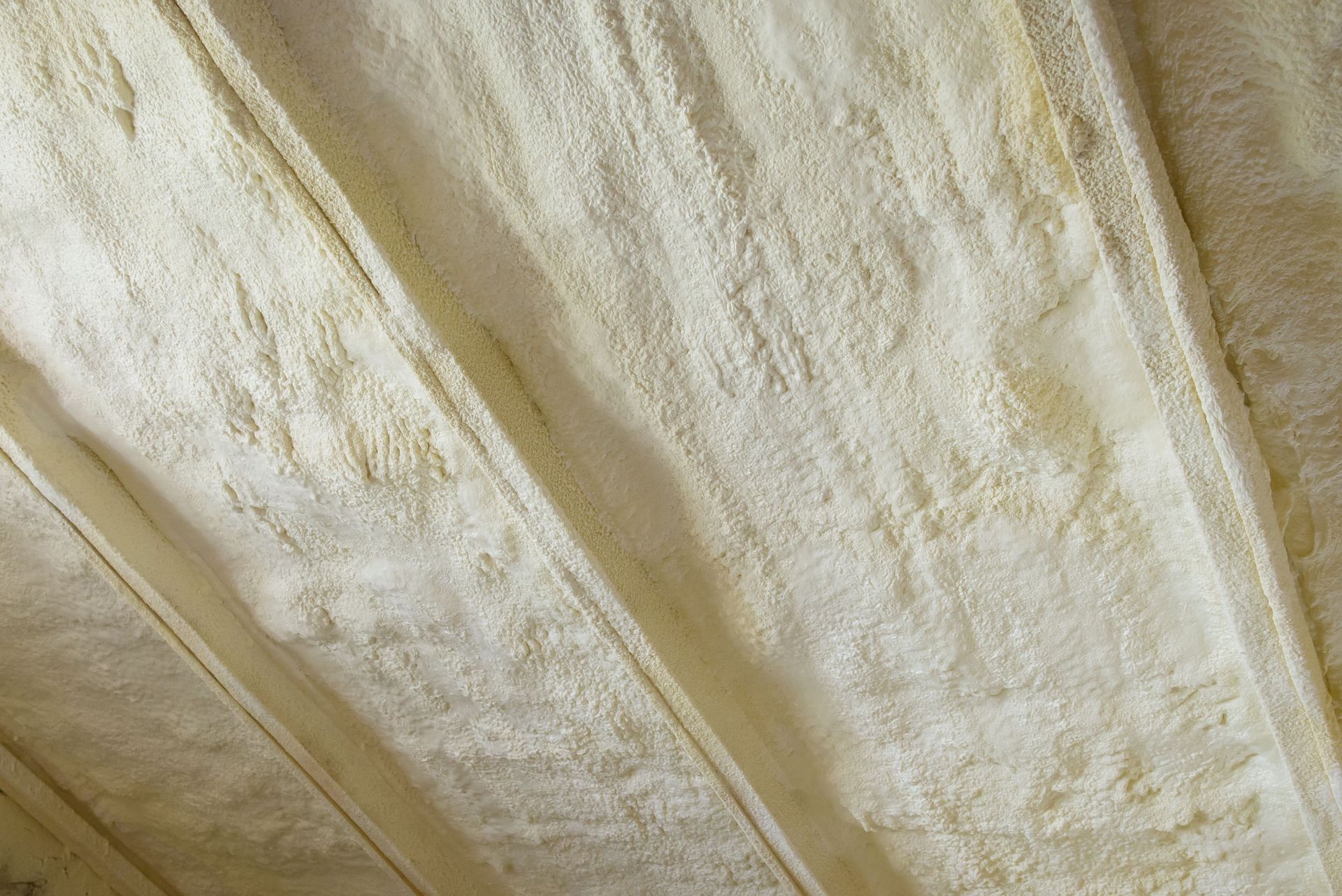
Commercial buildings have to balance operating costs, comfort, durability, and long-term performance. Insulation plays an important role in each of these areas because it separates conditioned interior spaces from changing outdoor temperatures. When insulation leaves gaps or does not perform effectively, heating and cooling equipment may have to work harder to maintain comfortable conditions. Professionally installed spray foam insulation offers businesses an option designed to create a continuous insulating barrier while addressing spaces where unwanted air movement may occur.
For business owners, insulation decisions can affect a property for decades, making longevity an important consideration. According to This Old House, spray foam products can have a lifespan of up to 80 years. Actual performance depends on the product, installation, building conditions, and other factors, but the potential for long service makes professional installation worth considering for commercial properties.
1. Improving Building Energy Efficiency
Reducing Unwanted Air Movement
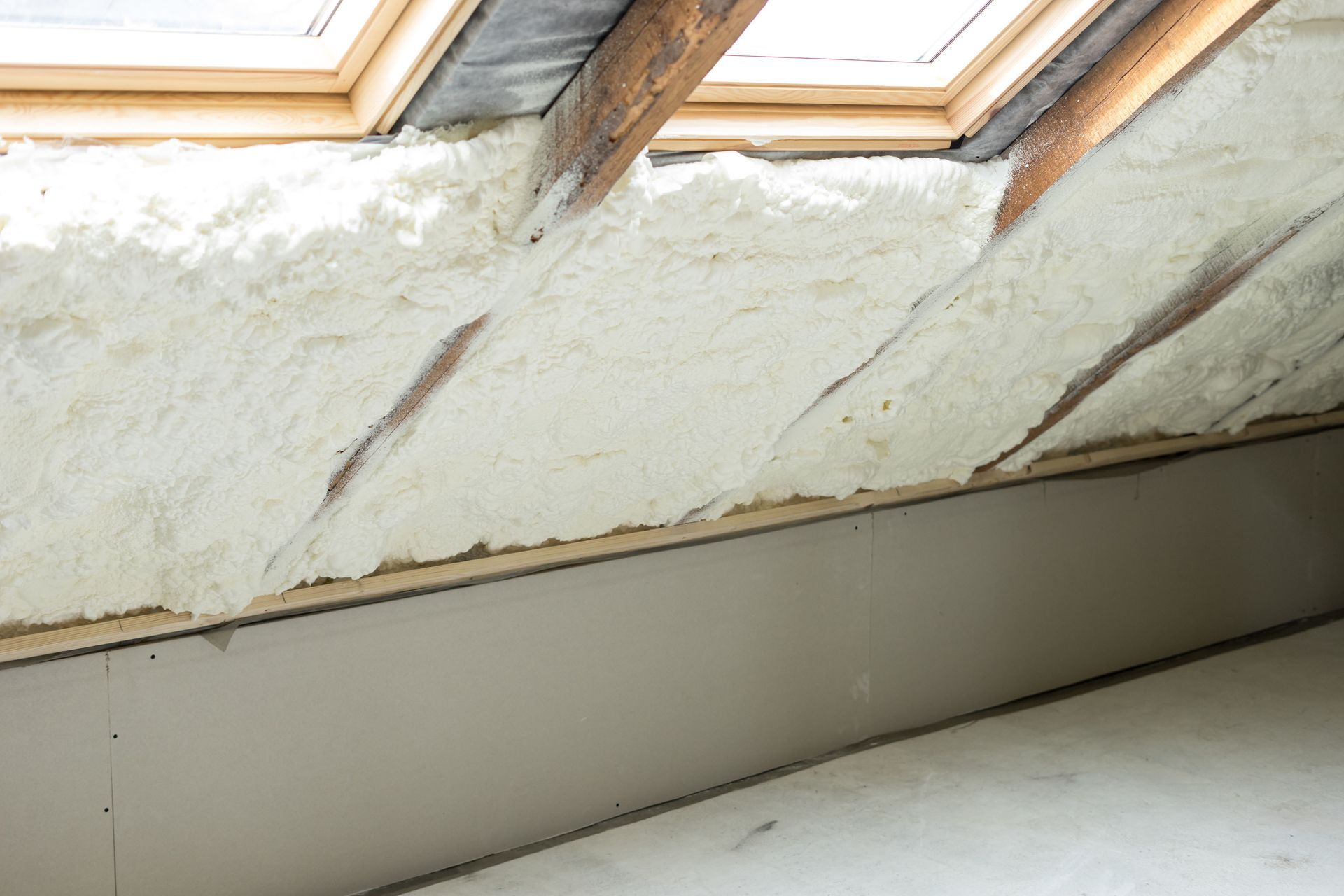
Small gaps and openings throughout a building envelope can allow conditioned air to escape while outdoor air enters. These exchanges can make indoor temperatures more difficult to maintain. Foam expands after application, allowing professionals to address spaces that might otherwise contribute to unwanted air movement.
Supporting Heating and Cooling Performance
Commercial HVAC systems may serve large areas for many hours each day. When conditioned air is repeatedly lost through gaps in the building envelope, equipment can face additional demand. Professionally installed spray foam insulation can help create a more controlled interior environment and support efficient HVAC operation.
Managing Long-Term Energy Costs
Electricity and fuel represent recurring expenses for many businesses. Improving the building envelope can help reduce unnecessary energy loss, potentially making heating and cooling expenses more manageable. The actual savings vary according to the building, climate, HVAC equipment, occupancy, and existing insulation.
Creating a More Efficient Building Envelope
Energy performance depends on more than one component. Walls, roofs, windows, doors, insulation, and mechanical systems all contribute. Professional insulation work can become part of a broader strategy for improving how effectively a commercial property separates indoor conditions from the environment outside.
2. Creating More Consistent Indoor Comfort
Reducing Temperature Fluctuations
Uneven indoor temperatures can affect employees, customers, tenants, and other building occupants. Areas near exterior walls or other vulnerable portions of the structure may feel noticeably different from interior spaces. Effective insulation helps reduce heat transfer and supports steadier conditions throughout occupied areas.
Supporting Comfortable Work Areas
Comfort matters in offices, stores, workshops, warehouses, and many other commercial settings. Employees who spend long hours inside can quickly notice rooms that become excessively warm or cold. Spray foam insulation can support a more stable indoor environment by strengthening the thermal barrier around conditioned spaces.
Reducing Drafty Areas
Drafts can make certain parts of a building uncomfortable even when the thermostat indicates an appropriate temperature. Because expanding foam can fill irregular spaces, professional application may help address areas where unwanted air infiltration contributes to noticeable drafts.
Supporting Year-Round Performance
Insulation is useful in both hot and cold weather. During summer, it helps limit heat transfer from outside, while during colder periods, it helps retain conditioned warmth. This year-round function makes insulation an important part of maintaining commercial building comfort through seasonal changes.
3. Reaching Difficult Building Areas
Filling Irregular Spaces
Commercial buildings can contain cavities, corners, penetrations, and other spaces that are not perfectly uniform. Insulation that expands during professional application can conform to irregular areas, allowing coverage in places where rigid materials may be more difficult to fit closely.
Addressing Gaps Around Building Components
Openings associated with certain building components can become potential paths for air movement when not properly addressed. A professional installer evaluates appropriate application areas and determines how the insulation system should integrate with the rest of the building assembly.
Working With Different Property Designs
No two commercial buildings are exactly alike. Older structures, modern offices, agricultural buildings, shops, and other facilities can present different insulation needs. Professional spray foam insulation applications can be planned around the building's configuration rather than relying on a single approach for every property.
Creating Continuous Coverage
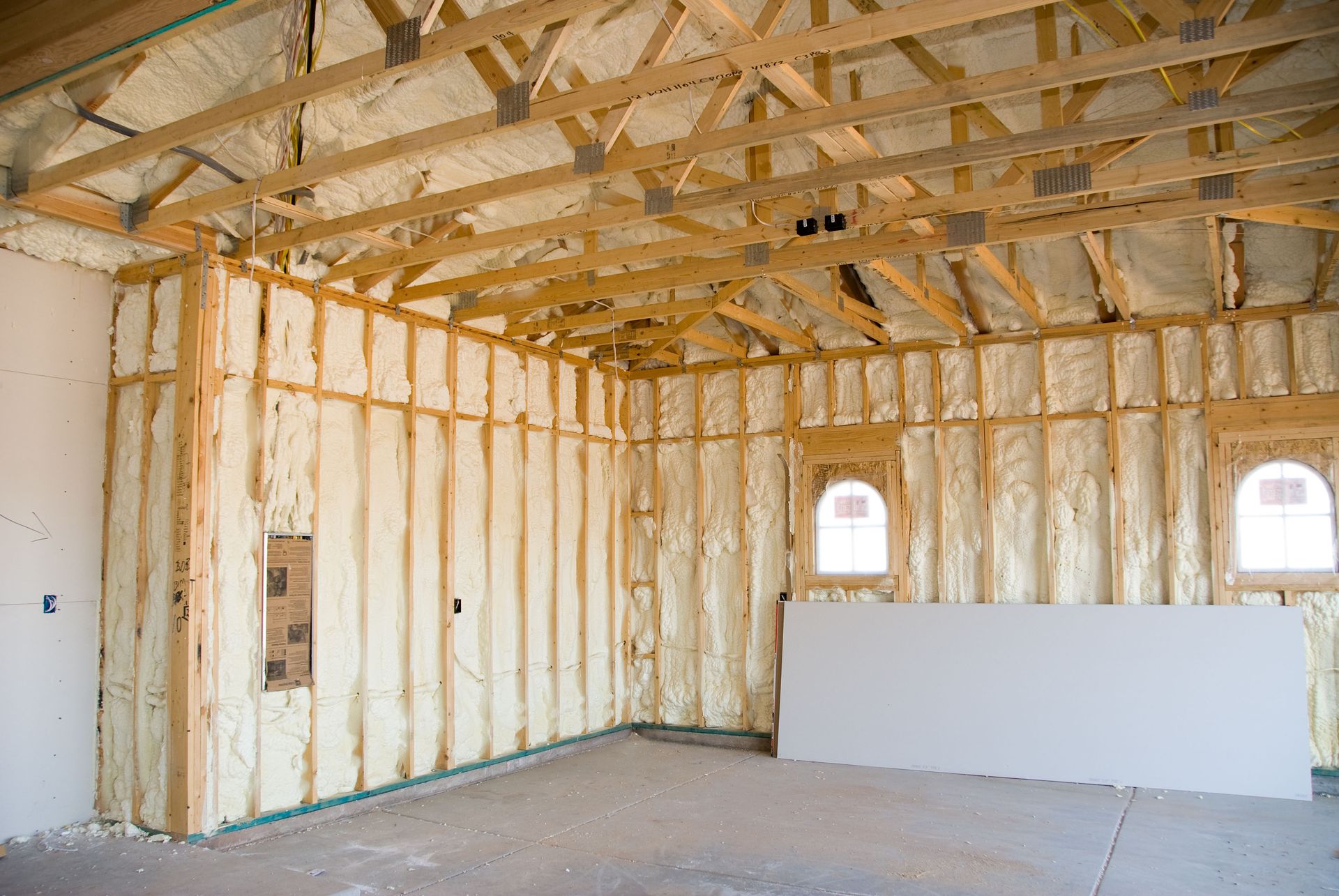
Effective insulation depends in part on limiting unnecessary breaks in coverage. Professional application can create a continuous insulating layer across appropriate surfaces, helping the building envelope perform more consistently instead of leaving avoidable gaps between insulated areas.
4. Supporting Long-Term Building Performance
Choosing a Long-Lasting Material
Commercial improvements are often evaluated according to how long they can provide useful performance. An insulation material with a potentially long service life may appeal to businesses seeking improvements that do not require frequent replacement under normal conditions.
Reducing Frequent Replacement Concerns
Replacing building materials can involve costs beyond the product itself. Access, labor, interruptions, and scheduling may all affect a commercial operation. The durability associated with professionally installed spray foam insulation can therefore be an important consideration when planning long-term property improvements.
Protecting the Value of the Investment
Business owners generally want improvements to provide value well beyond the initial installation. Proper product selection and professional application help establish conditions for the insulation to perform as intended. This makes installer experience an important part of the decision.
Planning for Future Building Use
A commercial property may serve a business for many years or eventually accommodate new occupants. Durable building-envelope improvements can continue contributing value even as interior layouts, equipment, or business operations change over time.
5. Helping Manage Moisture-Related Concerns
Limiting Airborne Moisture Movement
Moisture can travel with moving air, making uncontrolled air infiltration relevant to more than temperature alone. Certain foam products and assemblies can help control air movement, which may support broader moisture-management goals when the complete building system is designed appropriately.
Considering Building Conditions
Moisture management is complex and depends on climate, ventilation, construction details, water intrusion, and other factors. Spray foam insulation should therefore be selected and installed as part of an informed building strategy rather than treated as a solution for every moisture problem.
Protecting Appropriate Building Areas
Leaks and other sources of water intrusion require proper correction. Insulation should never substitute for needed roof, plumbing, drainage, or structural repairs. Professional evaluation helps ensure insulation work is coordinated with the actual condition of the property.
Supporting a Complete Building Strategy
Insulation, ventilation, heating, cooling, and moisture management interact with one another. Considering these systems together can help businesses avoid treating one building concern in isolation. Professional installation provides an opportunity to account for the larger building environment.
6. Strengthening Long-Term Property Planning
Evaluating Existing Insulation
Older commercial properties may contain insulation that no longer meets the owner's performance goals. Before making changes, professionals can evaluate accessible areas and discuss where additional or replacement insulation may be appropriate based on the building and planned improvements.
Coordinating With Renovations
Renovation projects can create opportunities to address insulation while parts of the building are already undergoing construction. Incorporating spray foam insulation into a broader improvement plan may allow businesses to address energy performance alongside other updates instead of treating insulation as an afterthought.
Considering Operational Priorities
Businesses have different requirements depending on their activities, occupancy, operating hours, and property type. A warehouse may have different priorities from an office or retail space. Professional planning allows insulation decisions to reflect how the building is actually used.
Making an Informed Investment
Business owners can consider expected longevity, building conditions, energy goals, installation requirements, and budget. Working with qualified professionals helps connect these factors to the needs of the specific property.
Insulation may remain hidden after installation, but its influence can be felt throughout a commercial building. Energy efficiency, indoor comfort, air movement, long-term durability, and overall building performance can all be affected by the quality of the building envelope. For businesses planning improvements, considering insulation early can help ensure it works effectively with HVAC equipment.
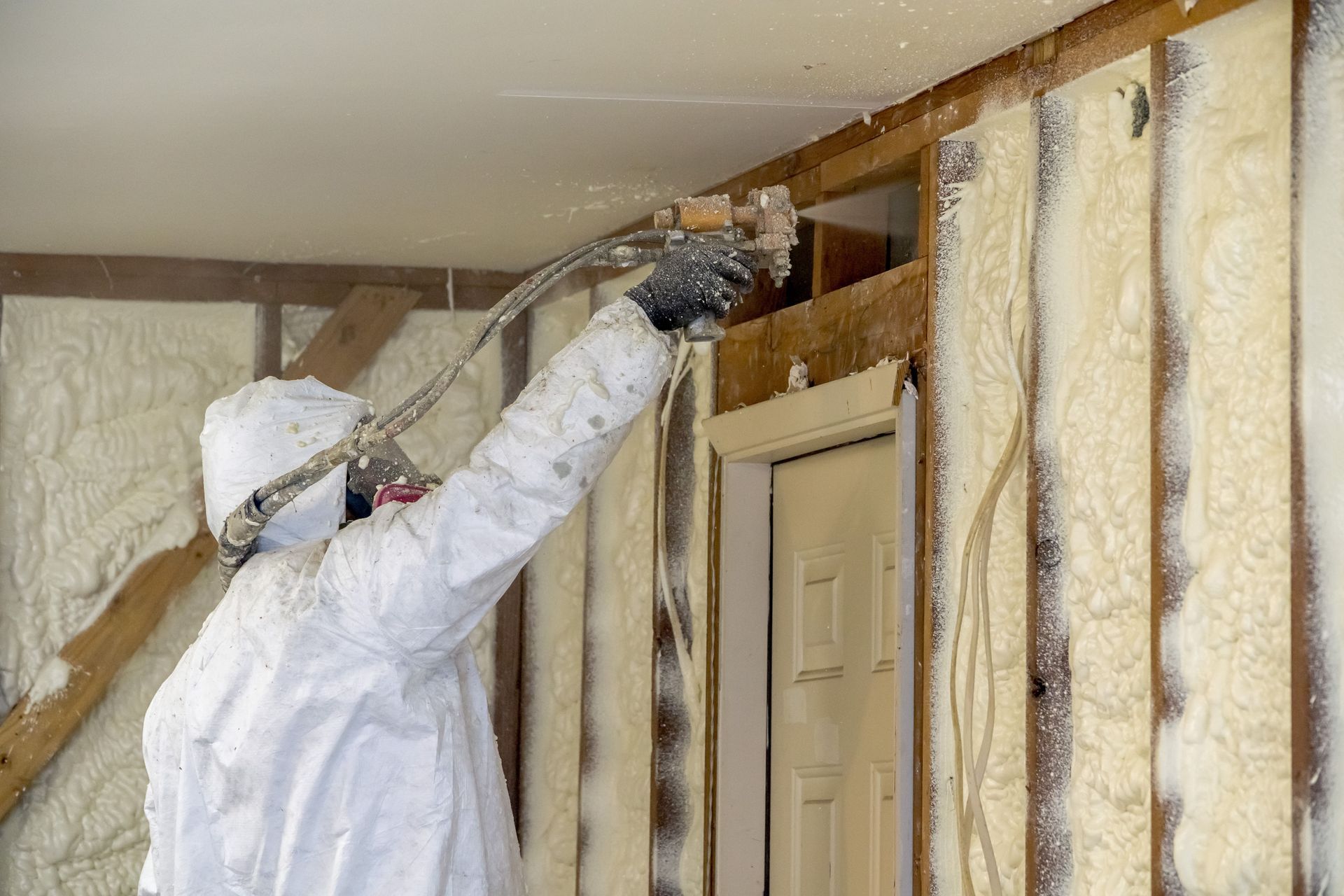
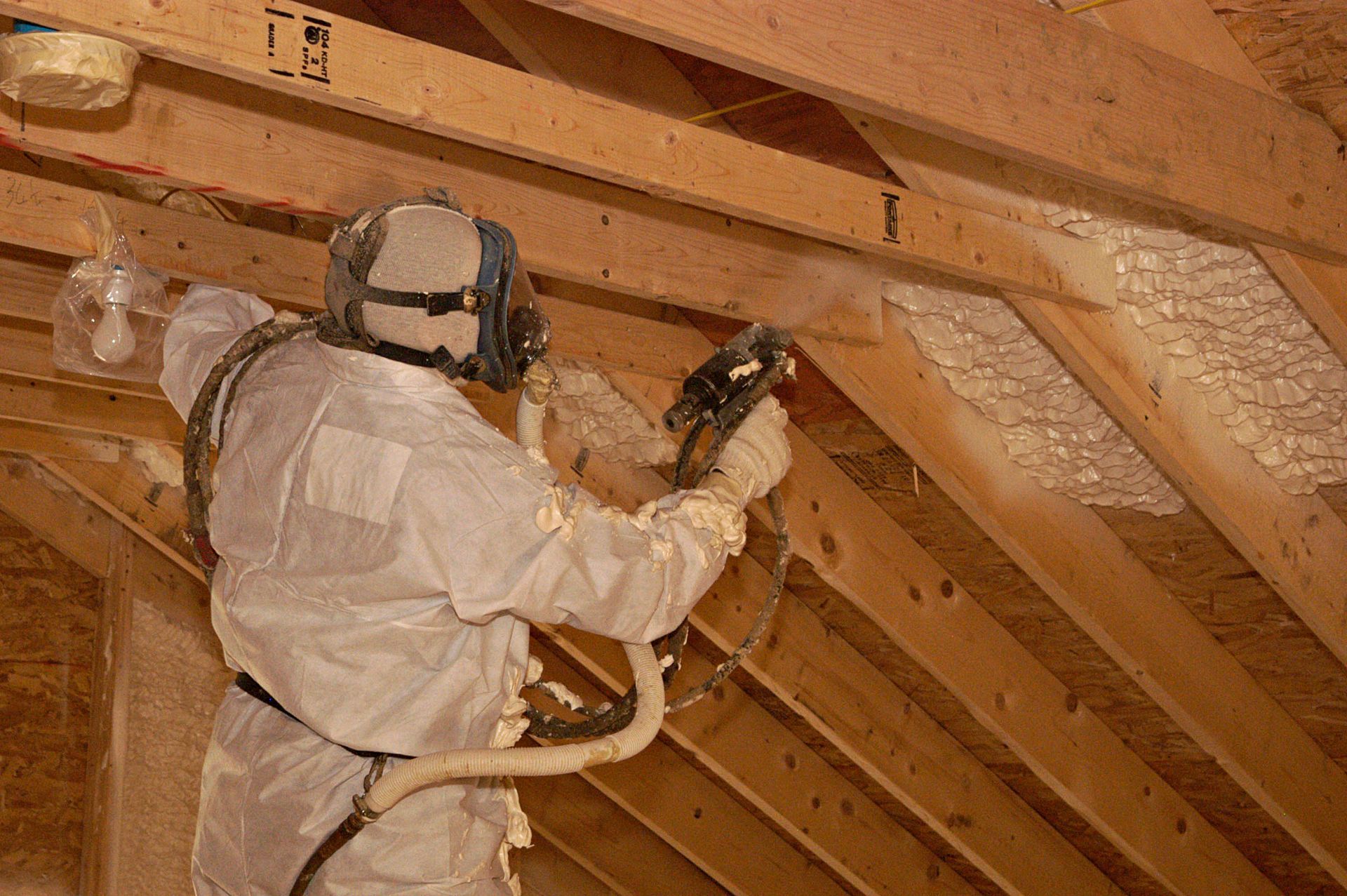
Professional installation is especially important because commercial properties vary widely in construction and operating conditions. The appropriate materials and application areas depend on the specific building rather than a universal formula. Properly planned spray foam insulation can provide businesses with a long-lasting option for improving appropriate portions of the building envelope while supporting broader comfort and efficiency goals.
If your business is considering an insulation upgrade, contact TLC Spray Foam Solutions LLC today. Our team can evaluate your property and discuss professional spray foam insulation options designed around your building's needs, helping you make an informed investment in comfort, efficiency, and long-term performance.


Share On: