Why Spray Foam Insulation Outperforms Traditional Materials
The quest for a comfortable and energy-efficient building environment often leads to a critical examination of the building envelope. For decades, traditional materials like fiberglass or cellulose served as the primary means of thermal resistance. However, as modern construction techniques evolve and the demand for higher performance grows, spray foam insulation has emerged as a superior alternative. This material addresses various structural and atmospheric challenges that older, more conventional materials simply cannot manage effectively.
When looking at the longevity and effectiveness of a structure, the choice of insulation determines more than just the temperature of the rooms. It influences air quality, structural integrity, and the long-term financial commitment required to maintain the property. While traditional options rely on bulk and thickness to resist heat transfer, spray foam utilizes a chemical reaction that allows it to expand and fill the spaces it occupies, creating a comprehensive barrier. Modern construction requirements now favor materials that offer multi-functional benefits, combining thermal resistance with air sealing in a single application process.
Maximizing Thermal Performance
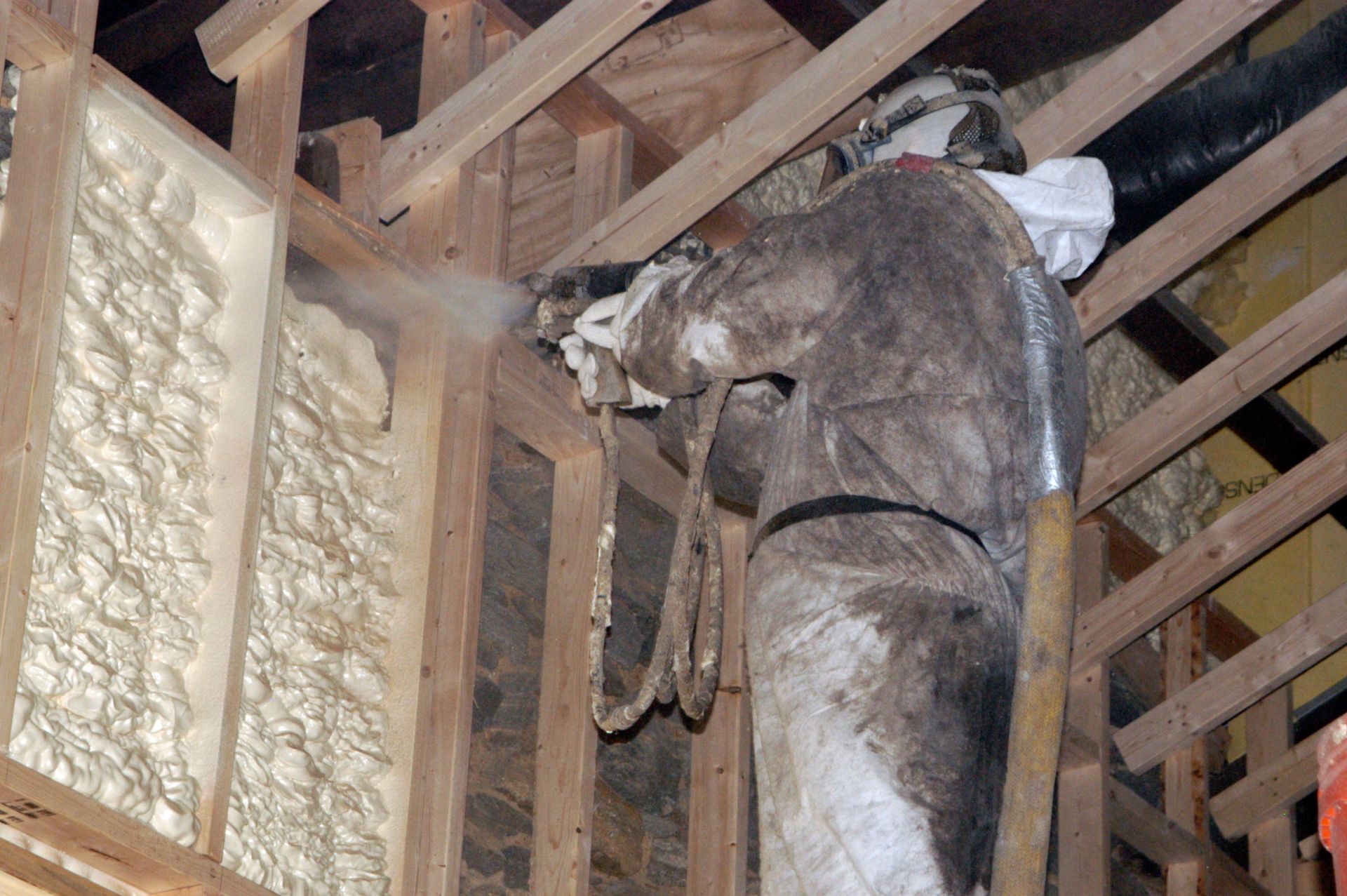
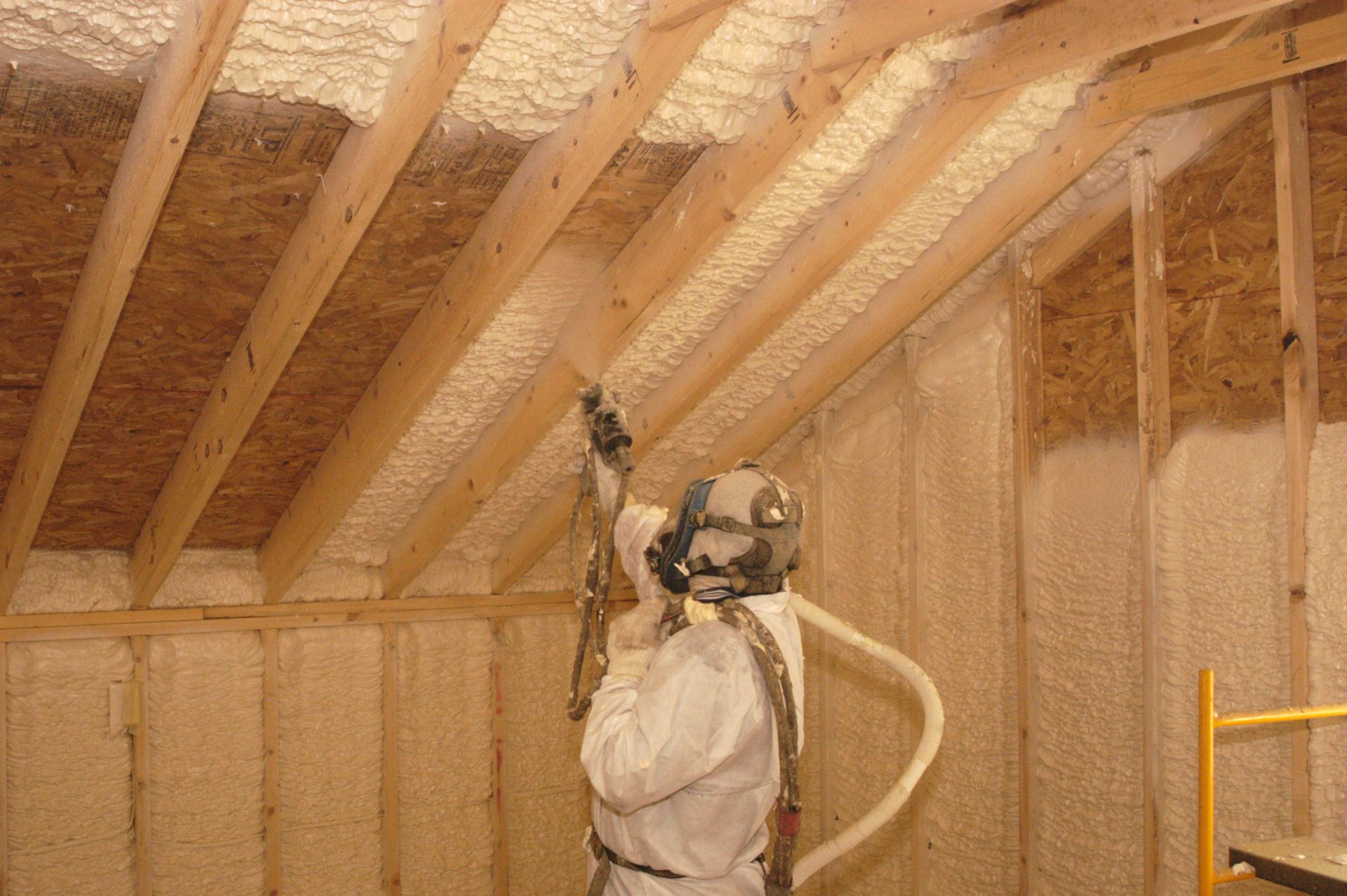
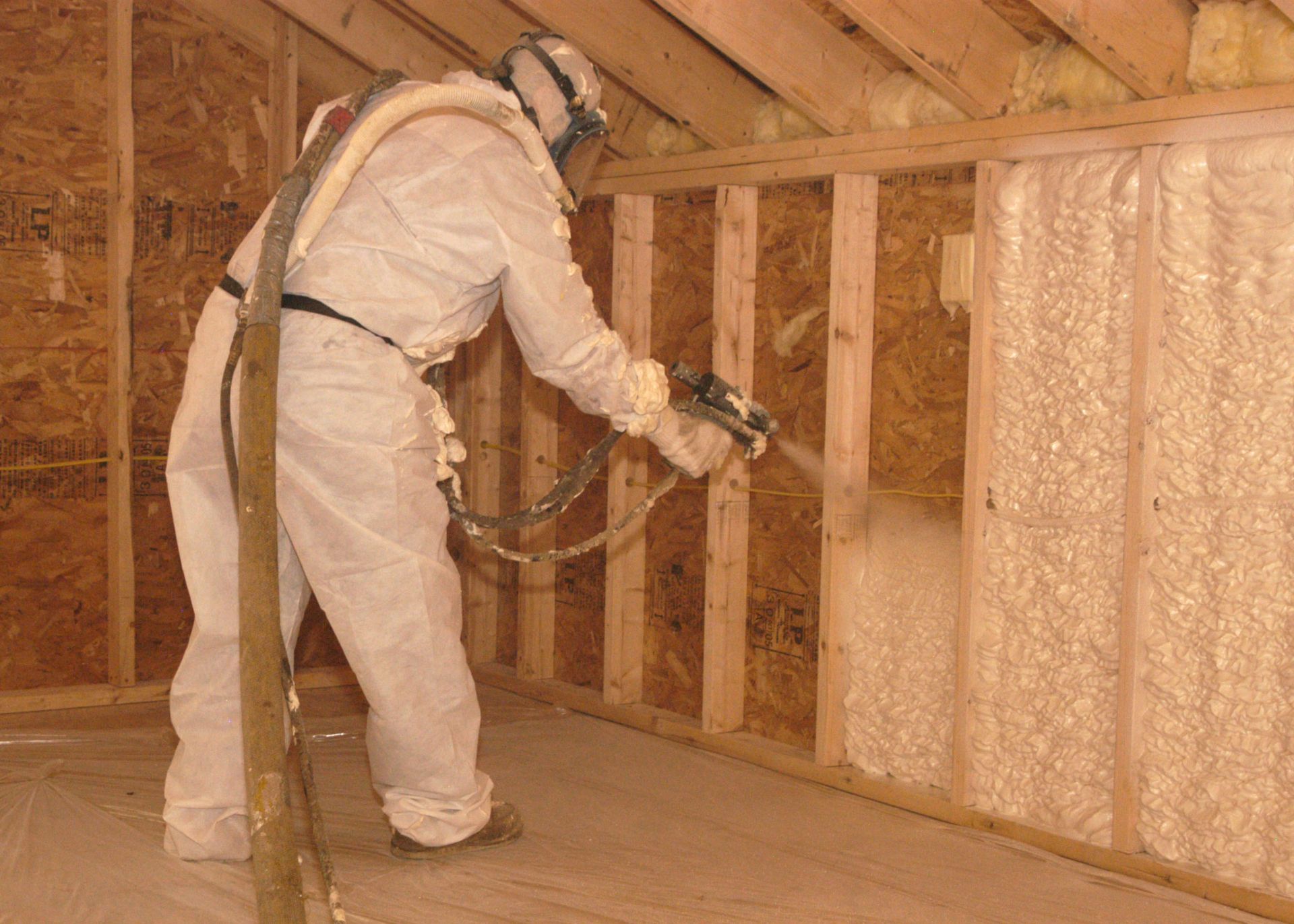
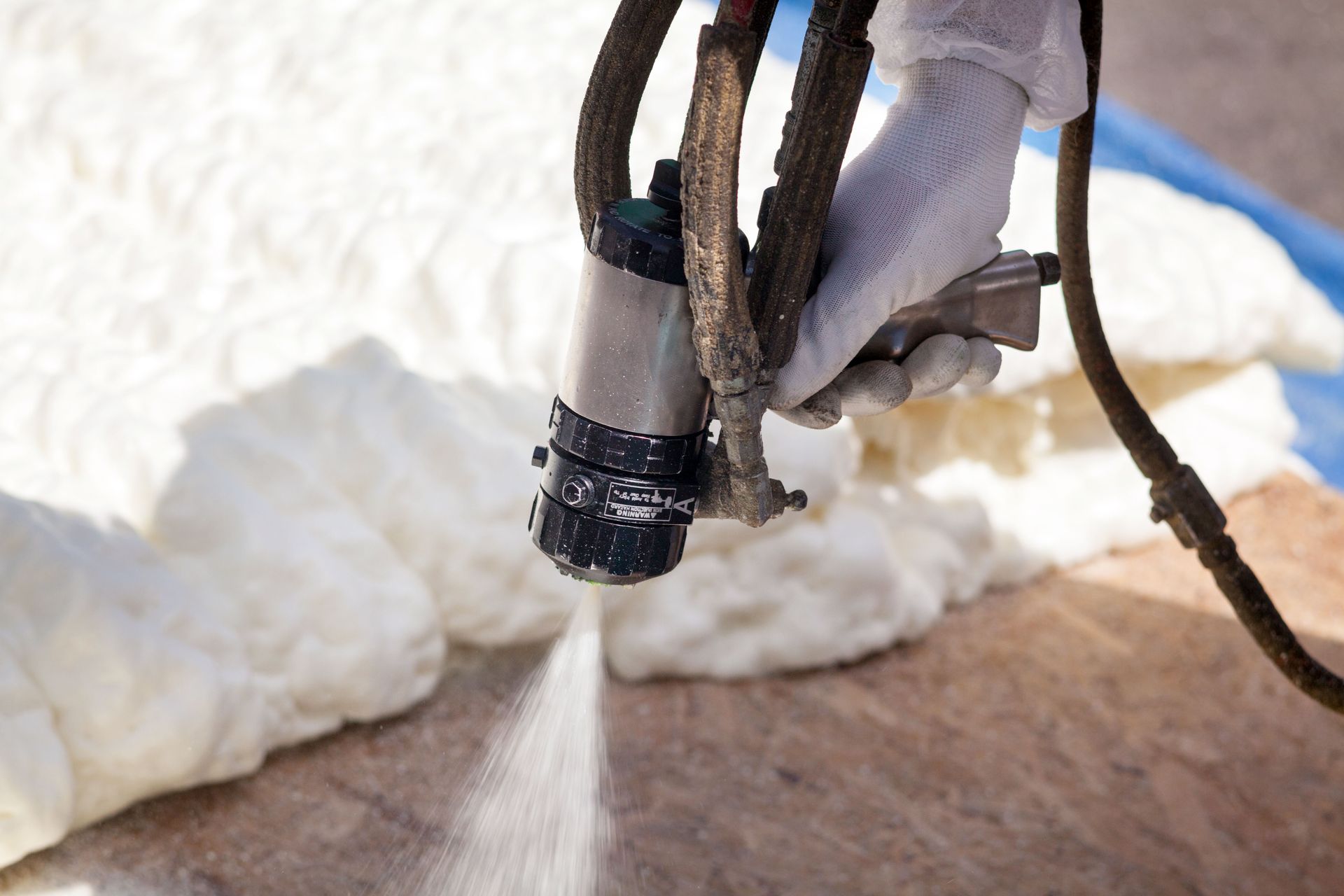
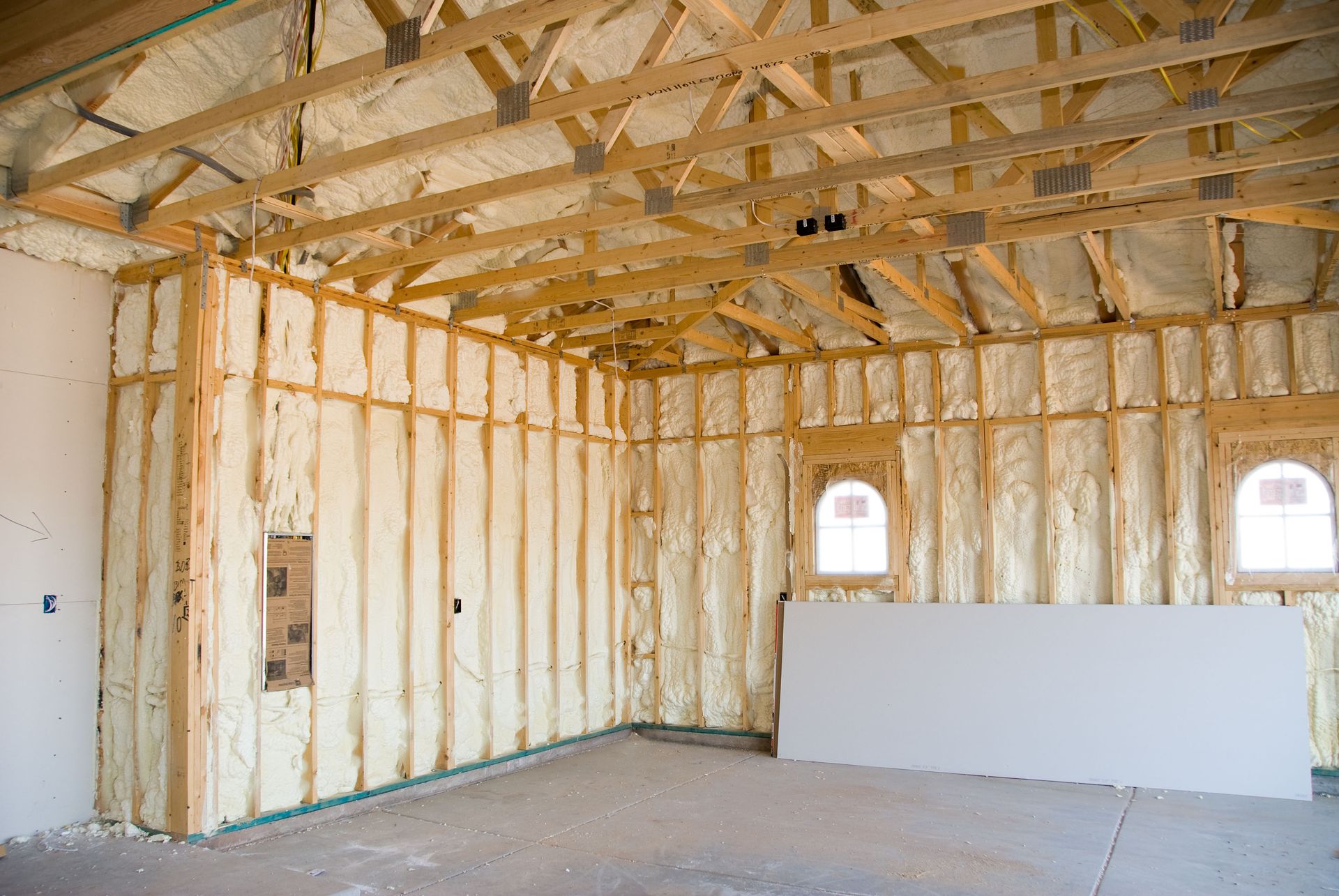
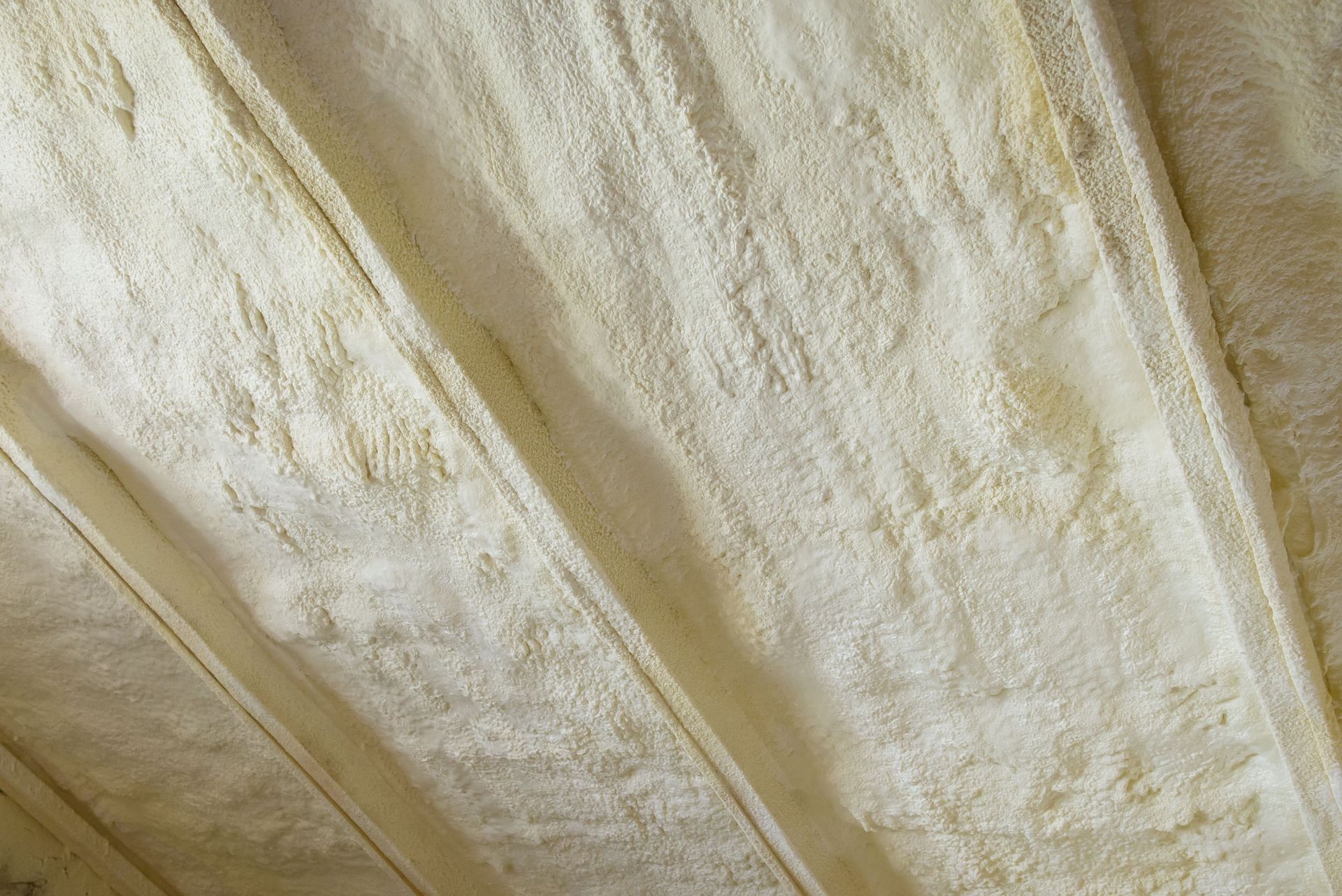
The primary function of any insulation is to slow down the transfer of heat. Traditional materials often leave small gaps or compress over time, which creates thermal bridges. These bridges allow heat to bypass the insulation entirely. Because spray foam insulation expands upon application, it reaches into the smallest crevices and irregular shapes within a wall or attic. This expansion creates a continuous layer of protection that significantly reduces the heat exchange between the interior and exterior environments. This performance remains consistent throughout the year, regardless of extreme seasonal temperature swings.
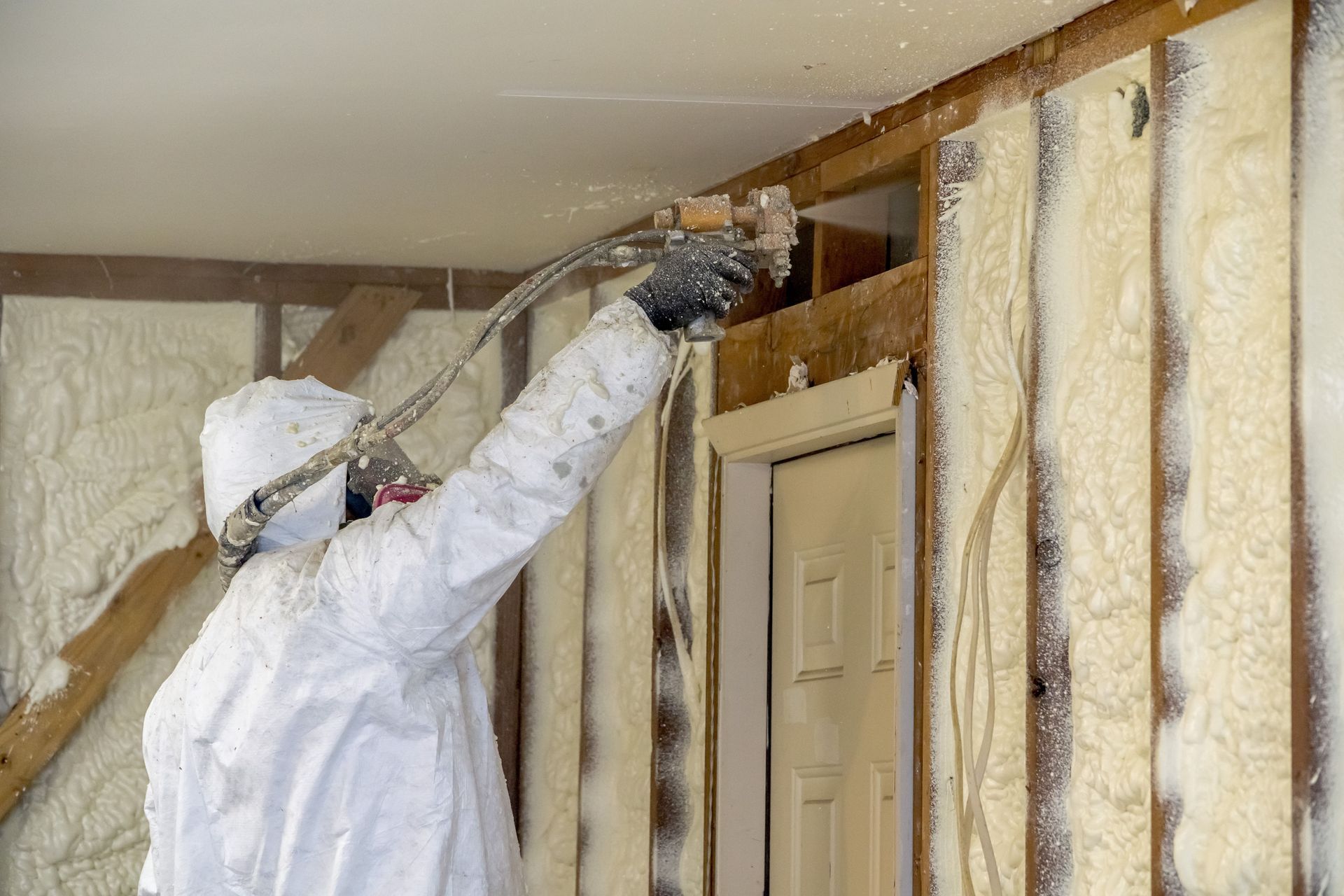
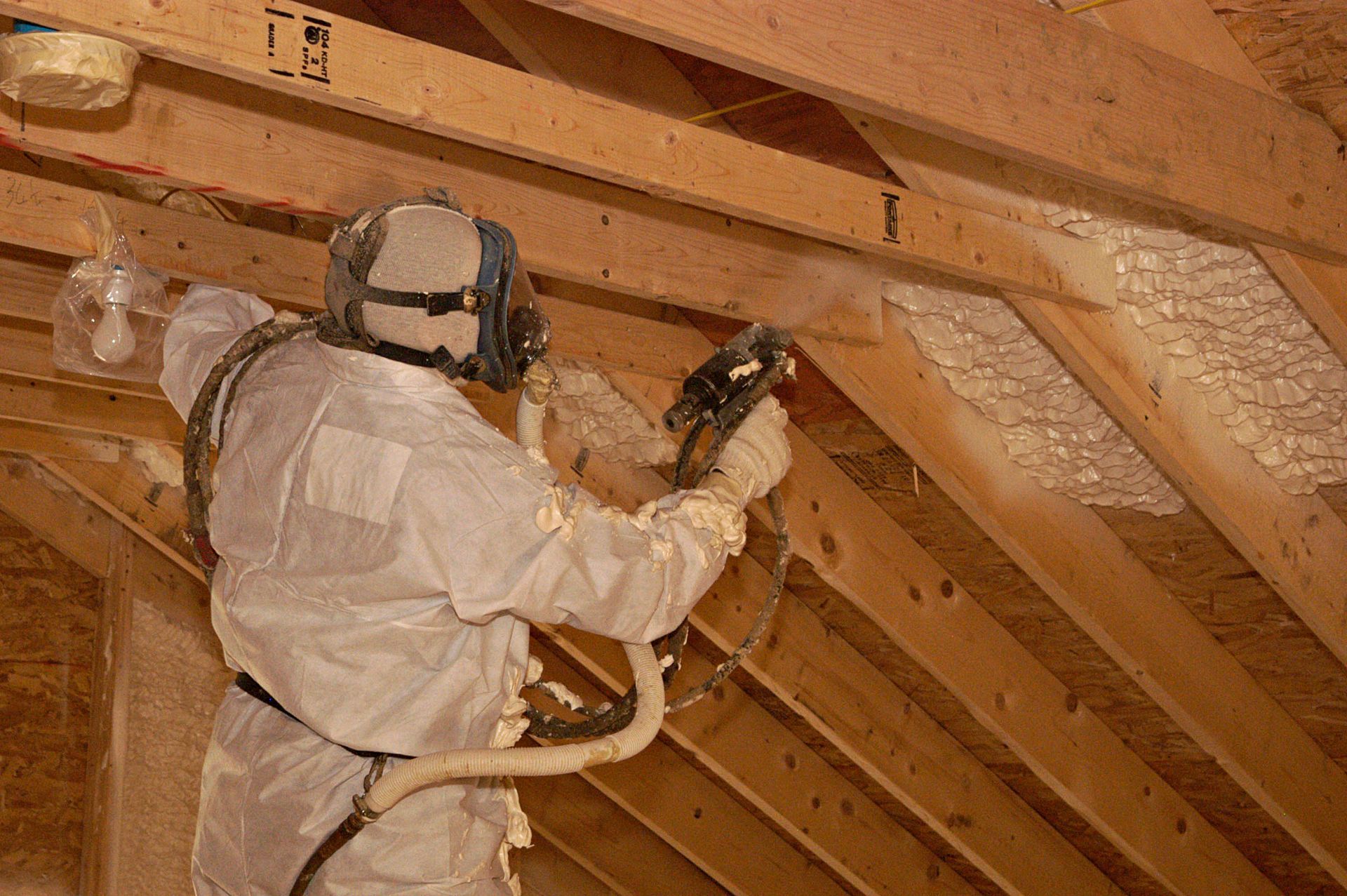
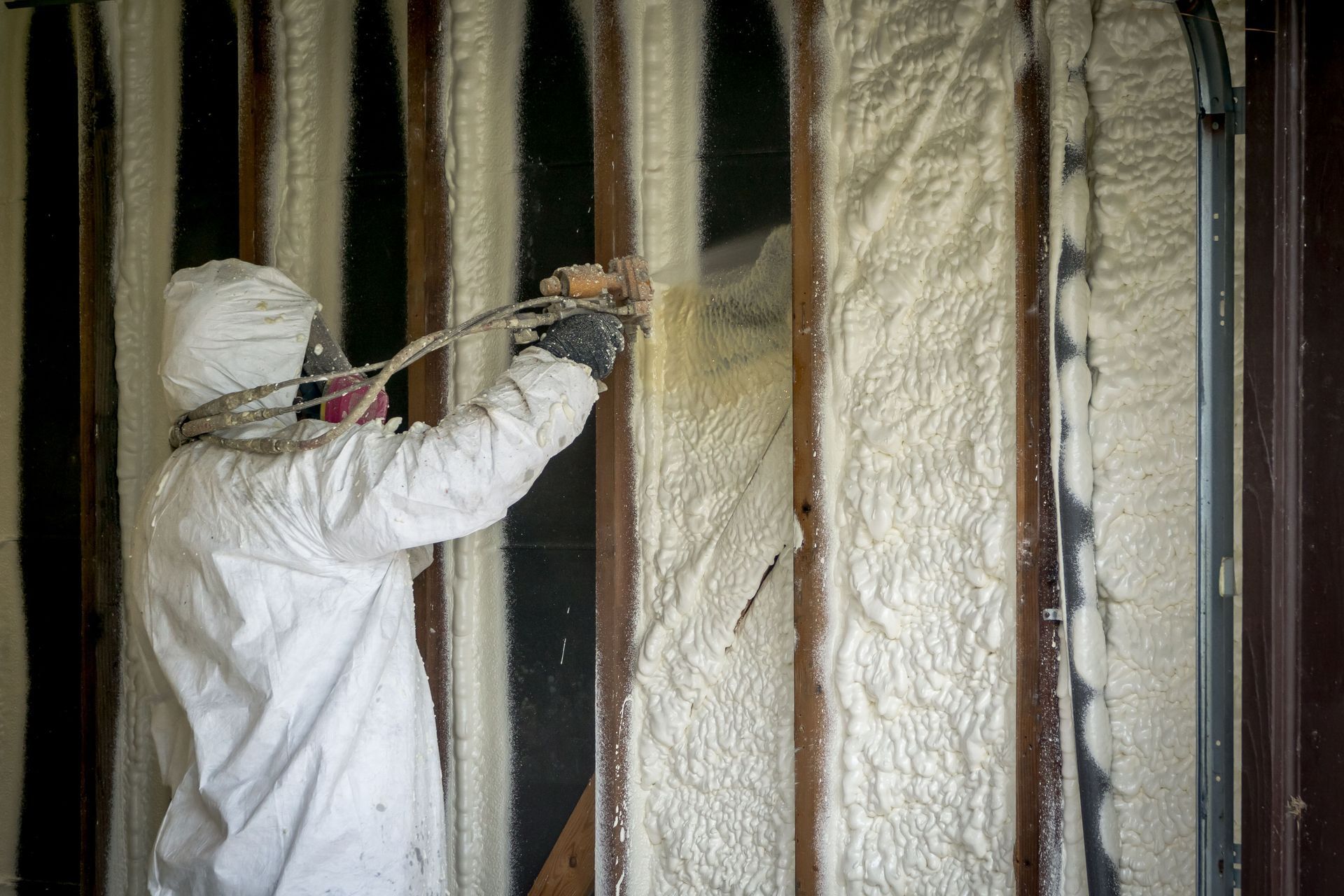
This high level of thermal resistance means that heating and cooling systems do not have to work as hard to maintain a consistent temperature. In a world where energy costs are fluctuating, reducing the mechanical load on a building is a significant advantage. By creating a more stable internal climate, the occupants experience greater comfort without the constant cycling of HVAC units. Professional installers use precise equipment to verify that the application achieves the necessary depth for optimal thermal resistance, providing a level of accuracy that manual placement of traditional materials cannot match.
Eliminating Unwanted Air Infiltration
Air leakage is one of the biggest contributors to energy loss in modern buildings. Most traditional materials are porous, meaning they allow air to pass through them. Even with a vapor barrier, small holes around outlets, plumbing stacks, and rim joists can lead to significant drafts. Spray foam insulation acts as both a thermal barrier and an air seal. It stops the passage of air effectively, which prevents conditioned air from escaping and unconditioned air from entering. This sealing capability is what truly separates advanced foam technology from dated fiber-based methods.
The sealing properties of this material also play a role in managing moisture. When warm, humid air meets a cold surface, condensation occurs. In traditional systems, this moisture can get trapped within the fibers of the insulation, leading to degradation. Because spray foam blocks the air that carries this moisture, it helps maintain a drier environment within the wall cavities. Engaging professional assistance for the application of these materials makes certain that the air seal is applied correctly across the entire building envelope, protecting the house from condensation and persistent drafts.
Strengthening Structural Integrity
While most people think of insulation only in terms of temperature, certain types of spray foam can actually add to the strength of a building. The dense, rigid nature of closed-cell foam allows it to bond to the studs and the exterior sheathing. This bonding creates a unified structure that is more resistant to wind uplift and shearing forces. Traditional materials like fiberglass provide no structural benefit and can actually sag or settle over time, leaving the upper portions of walls unprotected and vulnerable to the elements.
By reinforcing the walls and roof deck, the building becomes more resilient against the elements. This is particularly beneficial in regions prone to high winds or heavy snow loads. The durability of the material means it does not need to be replaced or topped up every few years, providing a permanent solution that remains effective for the life of the structure. Seeking professional help for the installation allows for the proper density to be achieved to maximize these structural benefits, as the correct mixture ratio is vital for the foam to reach its full hardened strength.
Improving Indoor Environmental Quality
The air we breathe inside our buildings is often influenced by what can leak in through the walls and attic. Traditional insulation can sometimes act as a filter, trapping dust, pollen, and other allergens within its fibers. Over time, these particles can be released back into the living space. Spray foam insulation does not provide a food source for pests and, because it creates an airtight seal, it significantly reduces the amount of outdoor pollutants that can enter the building. This leads to a noticeably cleaner indoor environment that is easier to manage and keep healthy.
The reduction of moisture infiltration mentioned earlier directly impacts the health of the indoor environment. By keeping the building dry, the risk of organic growth within the walls is greatly diminished. This leads to a fresher atmosphere for everyone inside. The precision required to apply these materials in a way that balances ventilation and containment is a task that requires professional guidance and calibrated equipment. When the building envelope is handled by those with proper training, the result is an interior space that remains free from the common irritants found in older homes.
Reducing Noise Pollution
Sound travels through the same gaps and cracks that air does. Because spray foam insulation fills these voids so completely, it serves as an excellent sound-dampening medium. Whether it is the sound of traffic from outside or the noise of a media room traveling to a bedroom, the application of foam helps to create a quieter and more serene indoor environment. Traditional materials often struggle to block mid-range and high-frequency sounds effectively because they lack the density and seamless coverage provided by foam.
In office buildings or multi-family dwellings, this sound attenuation is a vital component of the design. It allows for greater privacy and a more professional atmosphere. The versatility of the product allows it to be used in interior walls just as effectively as exterior ones to manage acoustics throughout the entire floor plan. Professionals who understand the science of sound can help determine the best application thickness to achieve the desired noise reduction levels, ensuring that peace and quiet are prioritized during the installation process.
Supporting Long-Term Sustainability
Choosing high-performance materials is a step toward a more sustainable future. By drastically reducing the energy required to run a building, spray foam insulation lowers a property's carbon footprint over its entire lifespan. Traditional materials often require frequent replacement or maintenance to keep their performance levels, whereas foam remains stable and effective without degrading. This longevity reduces the amount of waste that ends up in landfills and minimizes the need for future resource consumption. It is a long-term investment in the health of the planet and the efficiency of the building.
There are financial incentives for upgrading your insulation as well. According to Precision Business Insights, under the United States Inflation Reduction Act of 2025, homeowners can get a 30% tax credit for qualifying insulation upgrades, including spray foam. Thus, the United States is promoting the installation of energy-efficient insulation materials.
The efficiency of the building envelope also allows for the installation of smaller, more efficient HVAC systems. When the building itself does the heavy lifting of retaining heat or cool air, the mechanical systems can be downsized, leading to further energy savings and reduced material usage. This holistic approach to building performance is only possible when high-quality materials are installed with the help of professional services. By committing to superior materials, property owners contribute to a more sustainable and durable infrastructure for the future. To discover how spray foam insulation can transform your property into a more efficient and comfortable environment, contact TLC Spray Foam Solutions LLC today!

Share On: