How an Insulation Contractor Improves Energy Efficiency
In today’s world, energy efficiency has become a cornerstone of modern construction and architecture. As the demand for sustainable and cost-effective energy solutions grows, the role of an insulation contractor has become increasingly vital. These professionals are at the forefront of implementing solutions that significantly reduce energy consumption, thereby playing a crucial role in environmental conservation and cost savings for homeowners and businesses alike.
Understanding Energy Efficiency and Its Impact
Energy efficiency refers to the use of less energy to perform the same task, effectively reducing waste. For buildings, this means optimizing systems to consume the least amount of energy while maintaining high levels of performance and comfort. This is achieved through the integration of advanced technologies, materials, and practices that ensure a structure functions at its peak without sacrificing the occupant's experience.
Efficiency is quantified using various metrics, such as the Energy Efficiency Ratio (EER). This industry standard gauges HVAC performance by showing the relationship between energy input and cooling output. A skilled insulation contractor works to maximize these ratios by ensuring the building envelope remains airtight, which prevents the heating and cooling systems from overworking to maintain desired temperatures.
The global push for reducing carbon footprints makes energy efficiency more important than ever. Standards such as the International Energy Conservation Code (IECC) provide the framework for sustainable building practices. By adhering to these local and international regulations, property owners can lower utility bills, expand the lifespan of building components, and contribute to a healthier environment.
The Vital Role of an Insulation Contractor
An insulation contractor holds a wide range of responsibilities aimed at improving the thermal profile of a structure. They begin by assessing and determining the most appropriate materials and methods for residential or commercial facilities. These decisions are grounded in the scientific principles of thermodynamics and are tailored to the specific climate and architectural needs of each project.
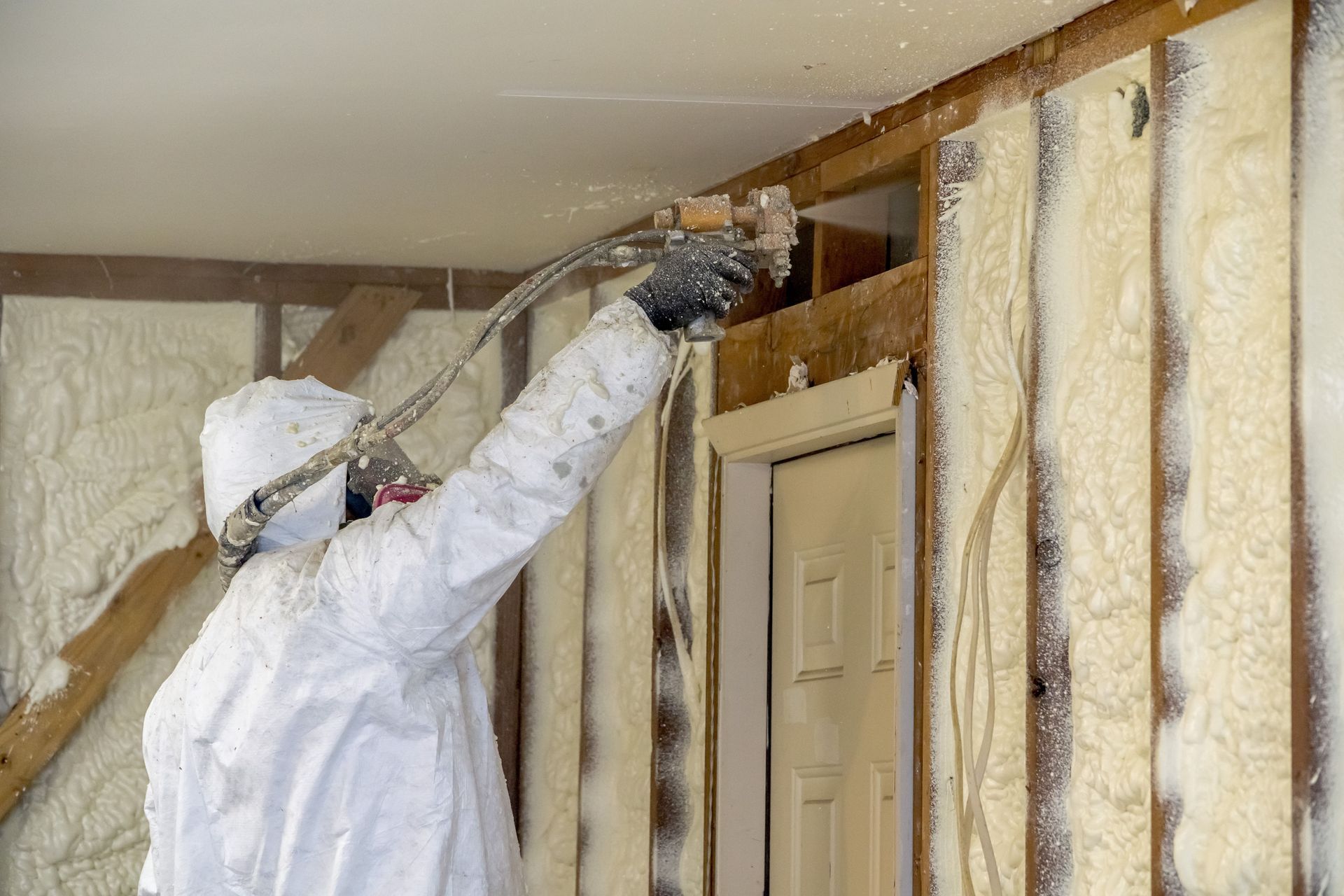
Precision is essential during the installation process, as even minor gaps can lead to significant energy loss. The contractor oversees every step, ensuring that the chosen materials are implemented correctly to maximize thermal resistance. They often coordinate with other construction professionals to ensure the building envelope is cohesive and efficient from top to bottom.
Post-installation, a professional insulation contractor will conduct rigorous tests to validate the effectiveness of their work. This often includes thermal imaging to detect hidden heat loss areas or blower door testing to measure airtightness. These verification steps provide property owners with peace of mind, knowing that their investment is delivering the promised energy-saving benefits.
Advanced Insulation Materials and Strategies
There are several types of materials used to enhance a building's performance. Fiberglass remains a popular choice due to its affordability and ease of installation in standard framing. While it provides reliable thermal resistance, it must be installed without compression or gaps to remain effective over the long term.
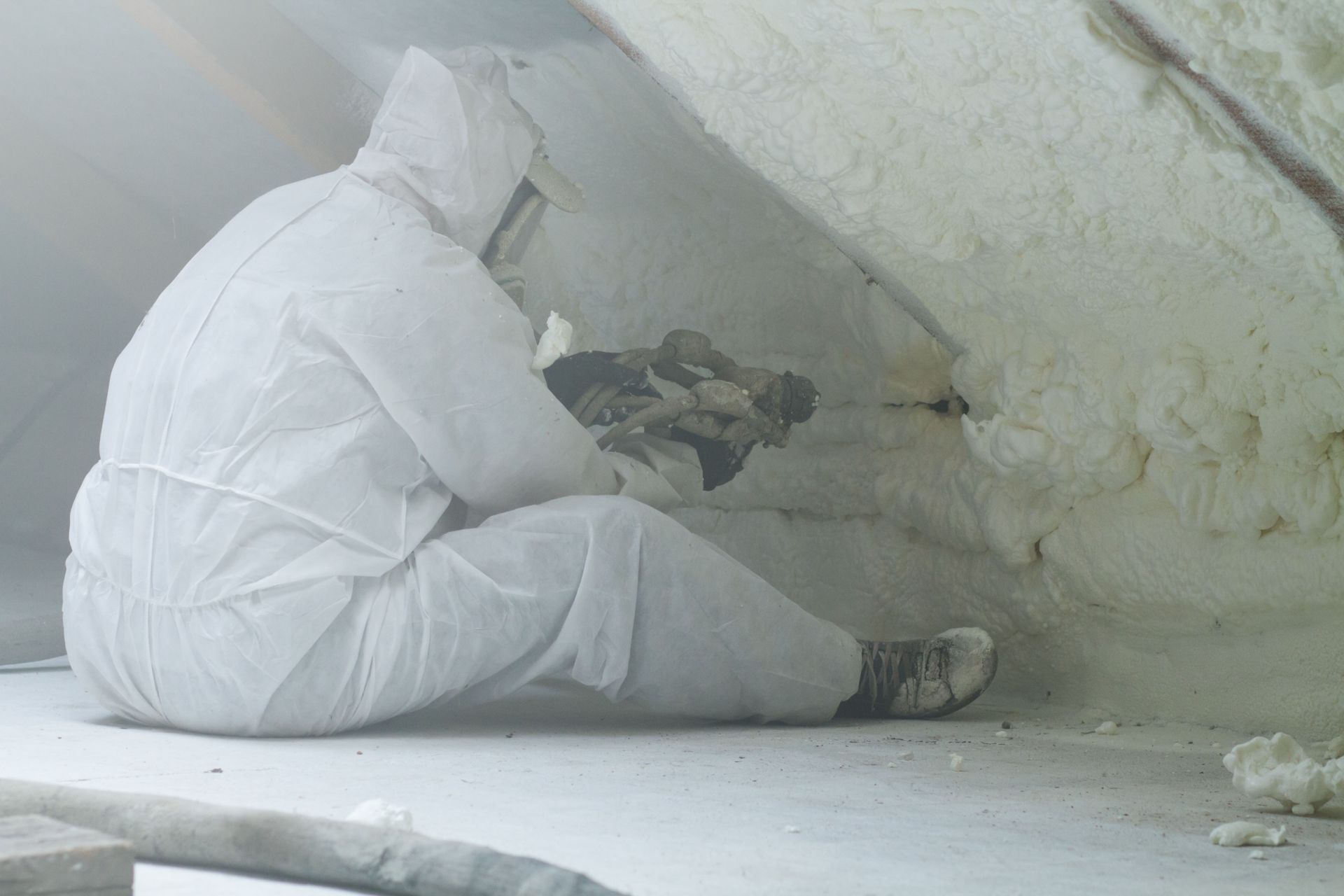
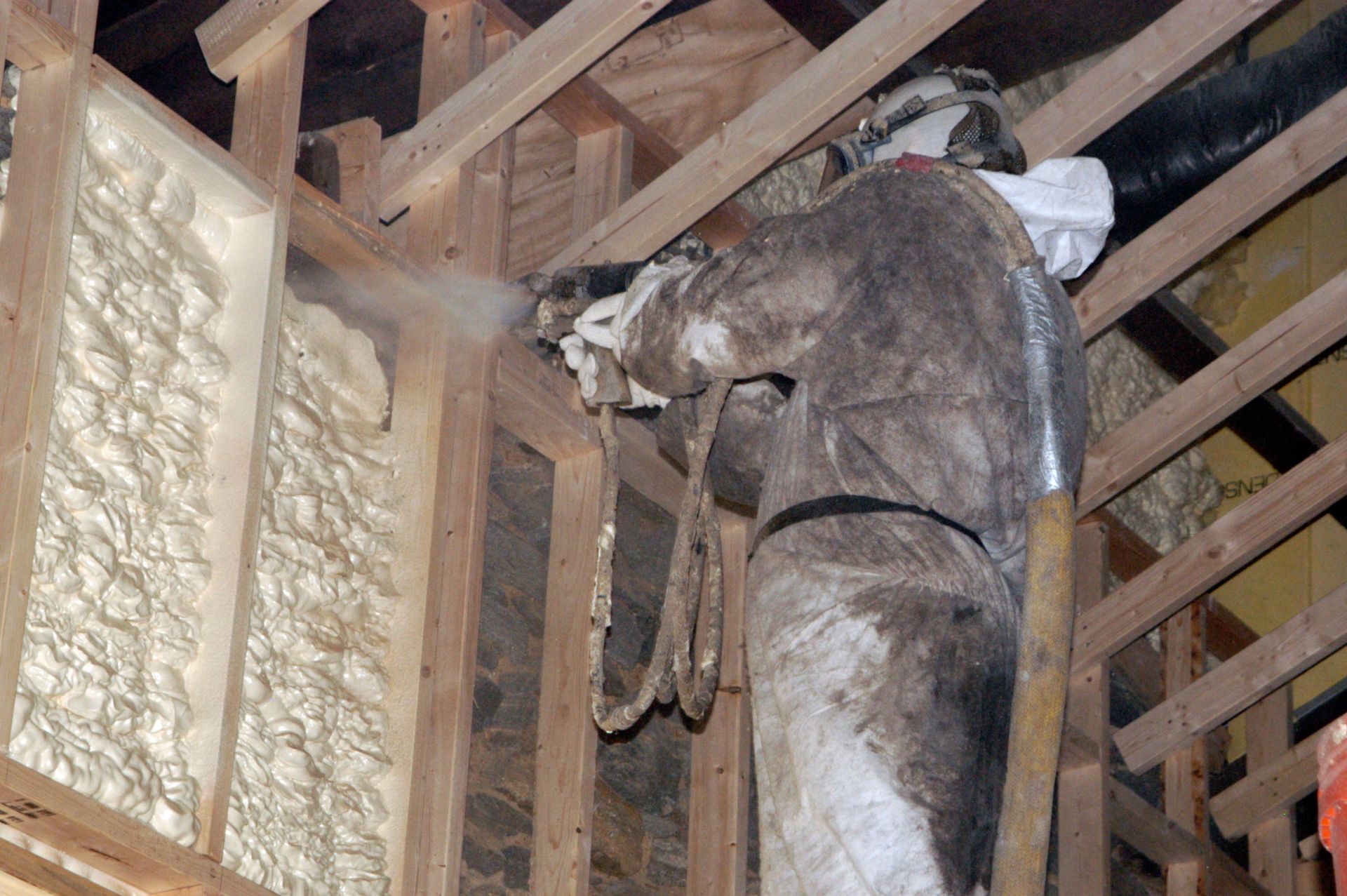
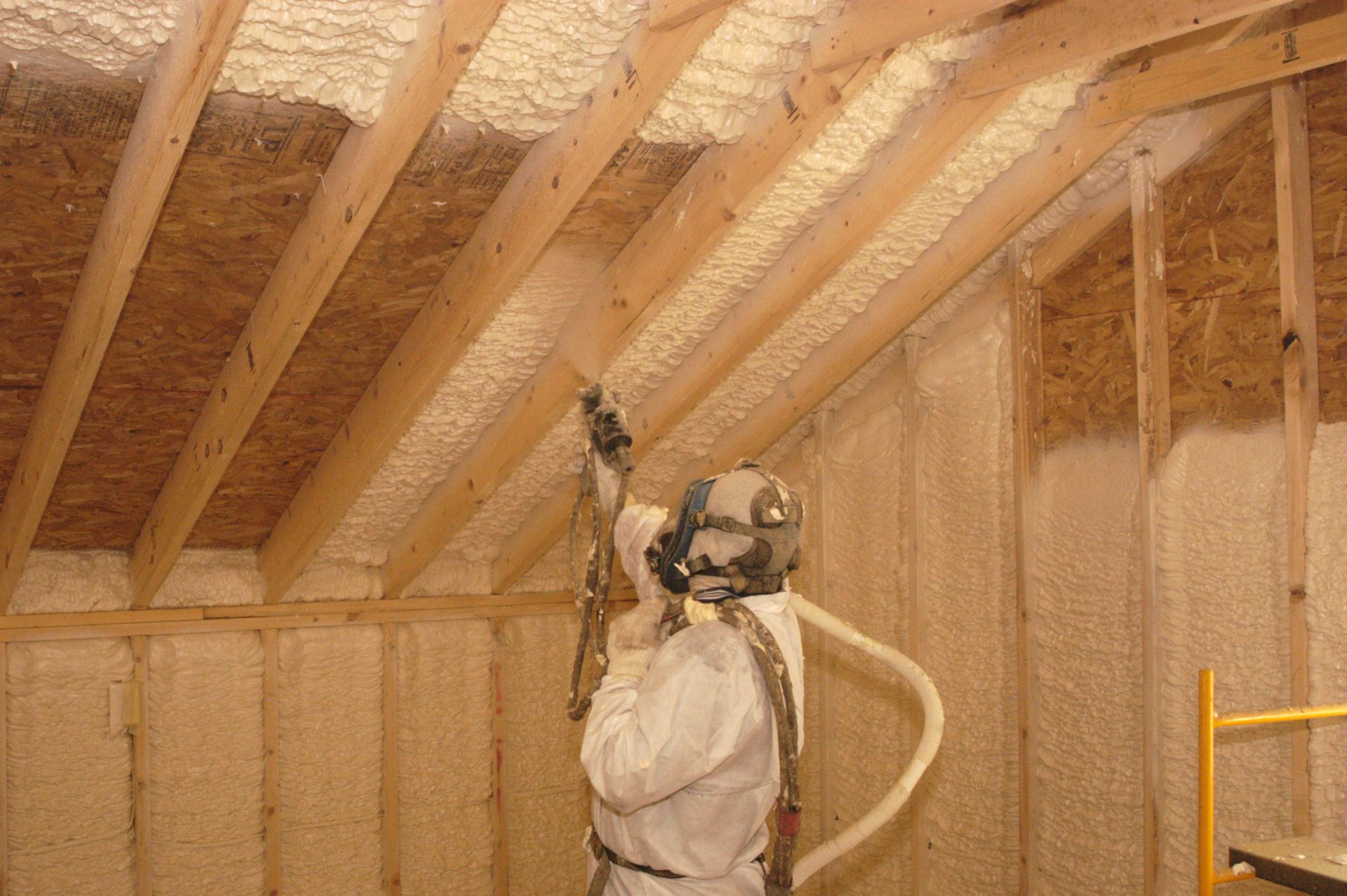
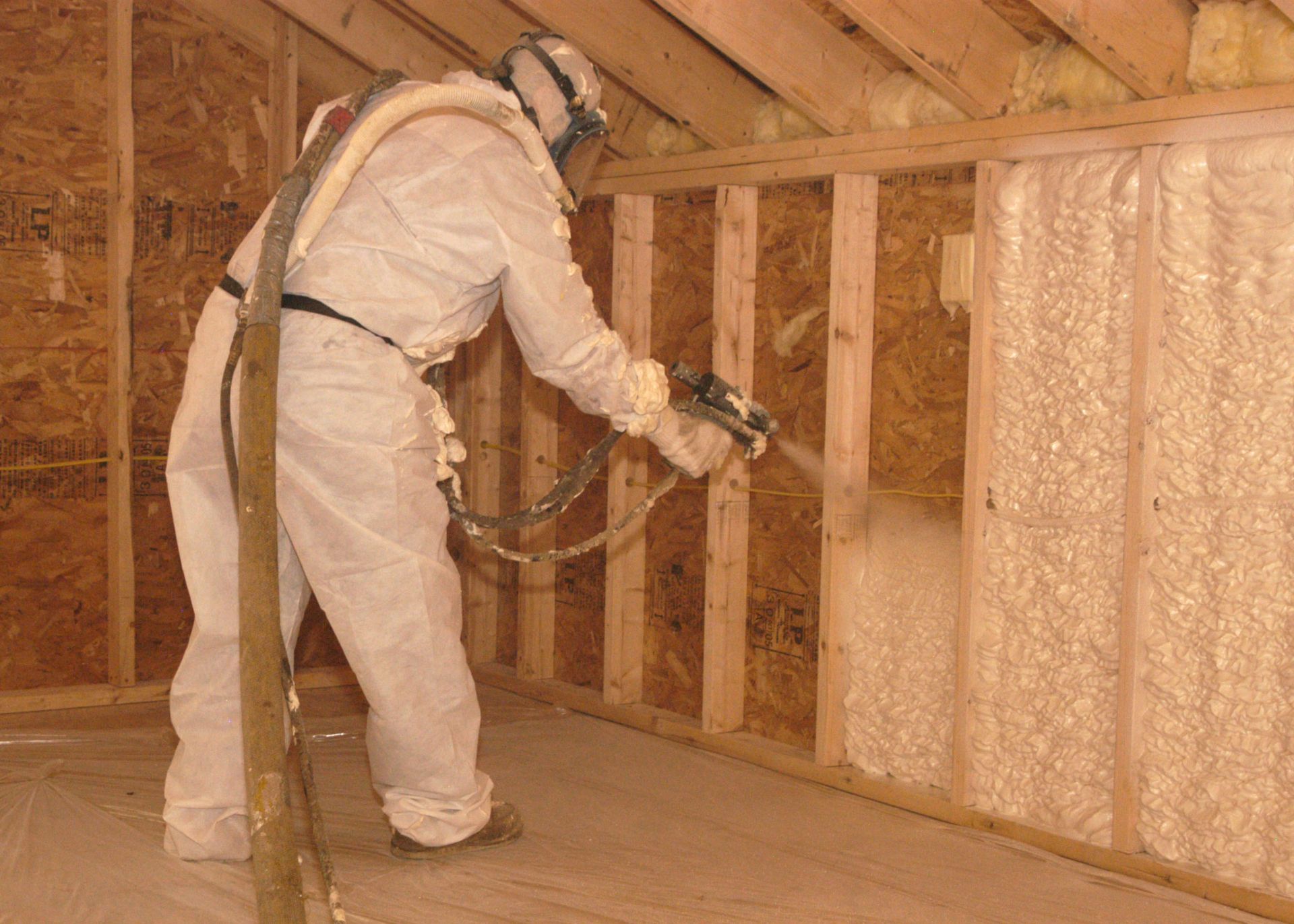
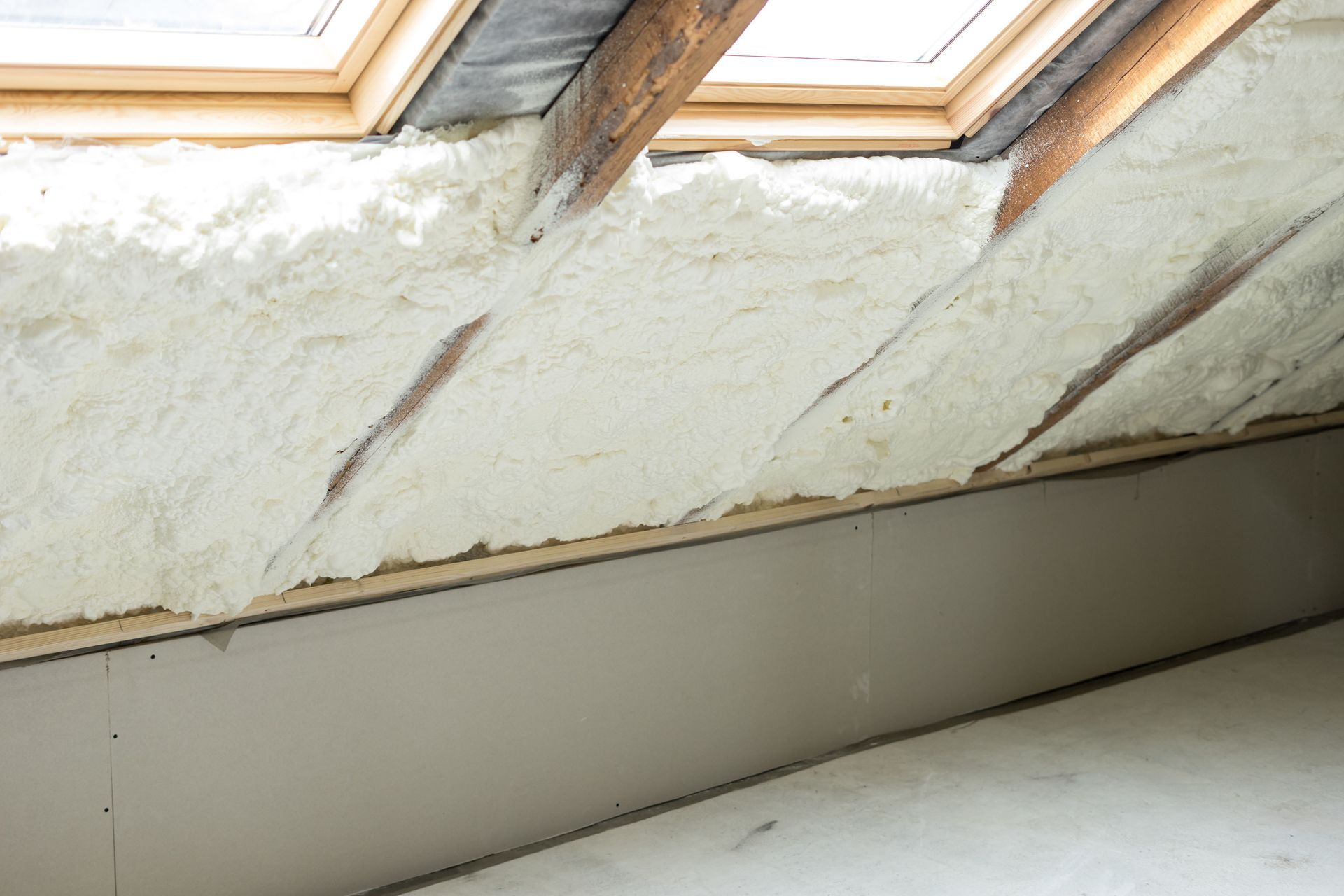
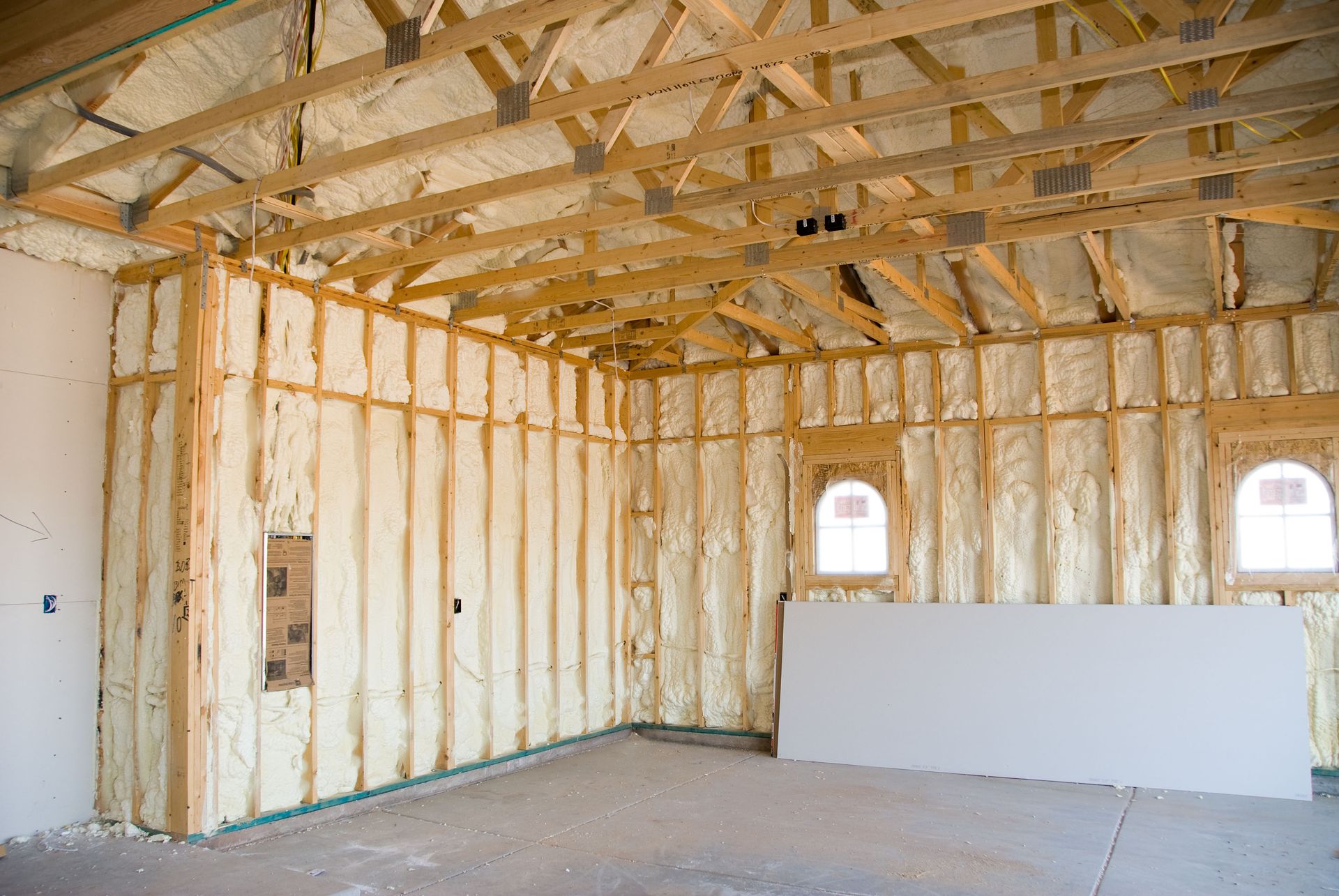
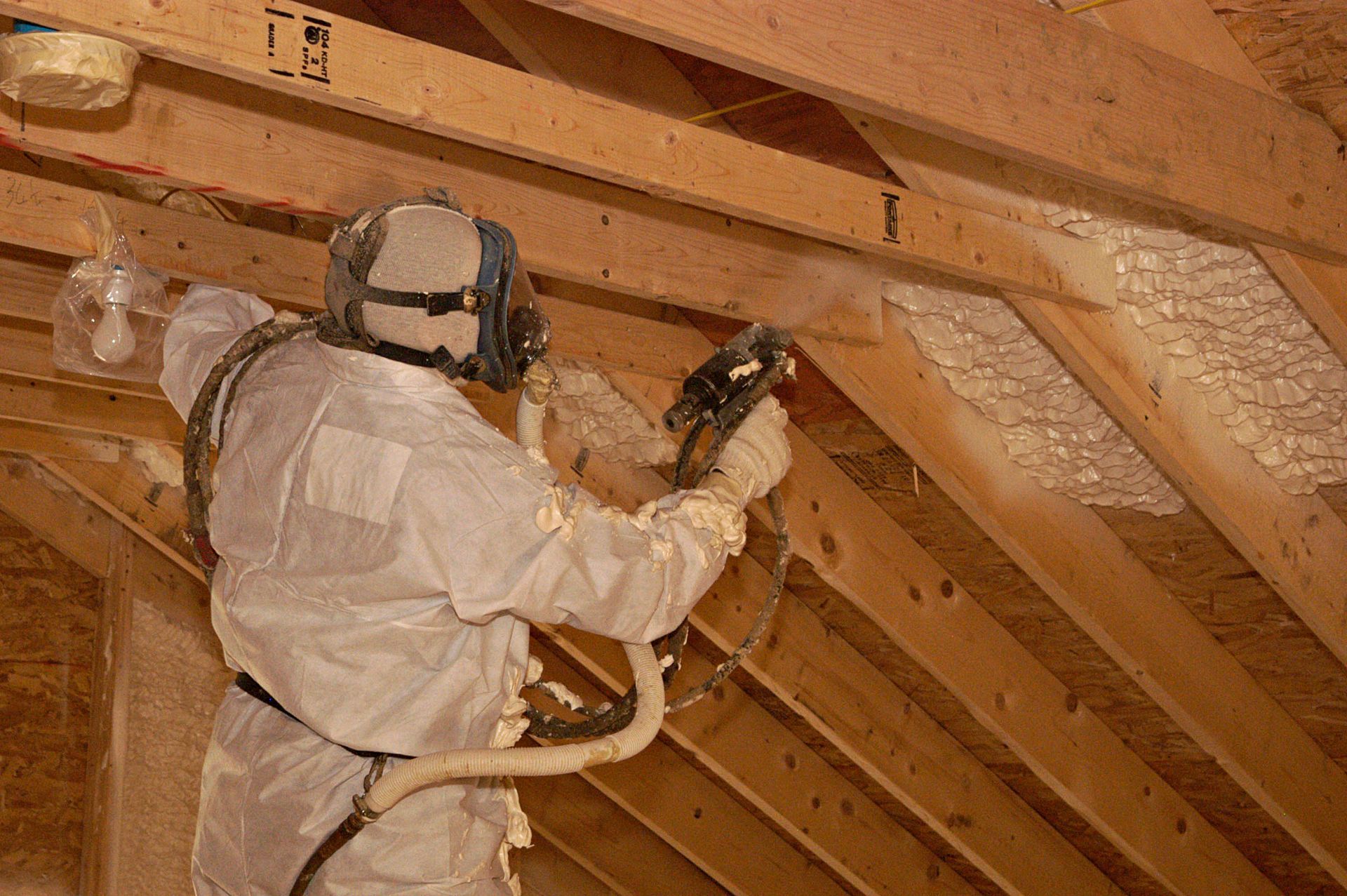
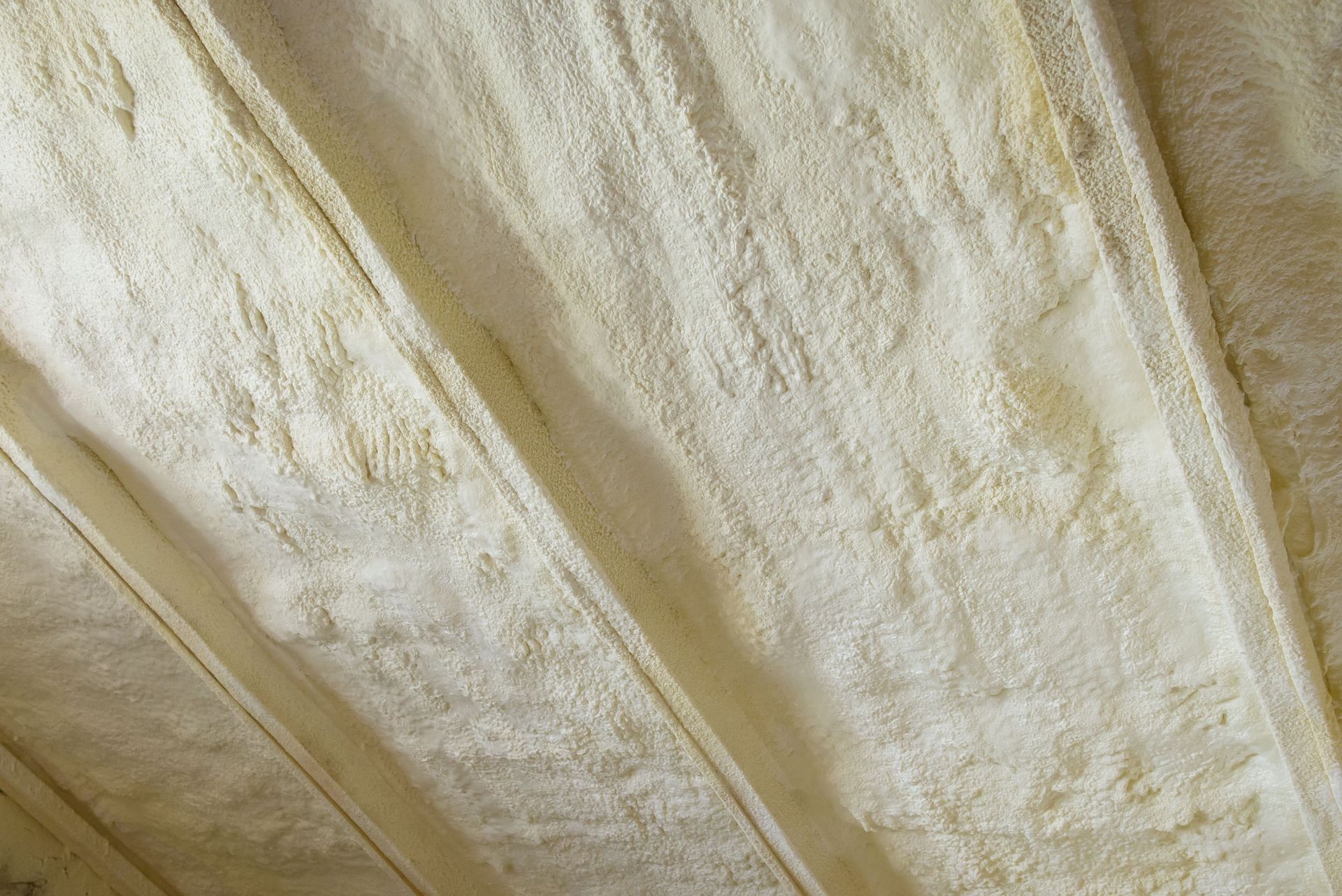
Spray foam is often considered a premium solution for those seeking maximum results. According to Bob Vila, spray foam insulation is up to 50% more efficient than other insulation types. This efficiency stems from its ability to expand and seal every nook and cranny, creating a superior air barrier that prevents drafts and moisture infiltration in ways traditional materials cannot.
Sustainable options like cellulose and recycled materials are also gaining traction among eco-conscious builders. Cellulose is made from recycled paper products and treated with fire retardants, offering an environmentally friendly alternative with excellent thermal properties. Choosing these materials allows an insulation contractor to help clients reach their sustainability goals without compromising on interior comfort.
Rigid Foam and Targeted Solutions
Rigid foam panels provide high compressive strength and excellent R-values in thin applications. They are particularly effective for basement walls and under-concrete slabs where moisture resistance is a priority. These panels help prevent mold and mildew growth while providing a continuous layer of insulation that breaks thermal bridges in the structure.
Choosing the right material depends heavily on the specific building type and its intended use. For instance, historical buildings may require specialized techniques to improve efficiency without damaging the original aesthetic or structural integrity. Conversely, commercial buildings with high occupancy rates might require a mix of spray foam and fiberglass to handle diverse electrical loads and ventilation requirements.
Maximizing Savings Through Comprehensive Weatherization
Efficient insulation significantly reduces the workload on HVAC systems by stabilizing the building’s internal temperature. When a home is well-insulated, the furnace or air conditioner does not need to cycle as frequently. This leads to lower mechanical wear, reduced maintenance costs, and a longer overall service life for expensive heating and cooling equipment.
Weatherization is another critical component that works hand-in-hand with insulation. This process involves protecting a building from the elements through measures like caulking gaps, installing draft-proof windows, and sealing around doors. A professional insulation contractor ensures these measures are implemented alongside thermal barriers to create a holistic energy-saving strategy.
Estimating potential savings is a key part of the planning phase. Contractors use specialized software to model energy use scenarios, helping owners visualize the return on investment. By addressing the attic, walls, and crawl spaces simultaneously, property owners can often see a significant reduction in their monthly utility expenditures immediately following the upgrades.
Thermal Stability and Occupant Comfort
Beyond the financial benefits, proper insulation serves as the primary defense against external temperature swings. In the summer, it keeps heat out to maintain a cool interior, and in the winter, it traps warmth inside. This stability eliminates "cold spots" in a home, creating a more uniform and pleasant living environment for all occupants.
The role of an insulation contractor is not just about installing material; it is about engineering a better environment. By choosing high-quality materials and utilizing precise installation techniques, these professionals help bridge the gap between modern energy demands and sustainable living practices. Their expertise is an essential asset for anyone looking to modernize their property’s energy profile.
The Importance of Professional Calibration
Precision is the hallmark of a high-quality installation, as even microscopic gaps can lead to substantial energy loss over time. An experienced insulation contractor understands that the building envelope must be treated as a single, cohesive system rather than a collection of isolated parts. By integrating specialized sealing techniques with traditional insulation methods, these experts eliminate the thermal bridging that often plagues DIY projects. This meticulous attention to detail ensures that the structure remains protected against the elements, providing a durable solution that stands up to seasonal changes. Ultimately, professional calibration transforms a standard house into a high-performance, energy-efficient home.
The journey toward a more energy-efficient building starts with a thorough understanding of how heat moves through a structure. Working with an experienced insulation contractor ensures that every potential leak is sealed and every wall is properly protected. This proactive approach saves money, protects the environment, and enhances the daily comfort of everyone inside the building.
As energy costs continue to fluctuate, investing in high-quality insulation remains one of the most effective ways to secure long-term financial and environmental benefits. Whether you are building a new home or retrofitting an older one, the right insulation strategy is the key to a sustainable future. Trusting a professional to guide this process is the best way to ensure your property remains efficient for decades to come. For more information, contact TLC Spray Foam Solutions LLC.

Share On: