From Cozy Winters to Cool Summers: The Power of Proper Insulation
Explore how proper insulation transforms living environments, from keeping you warm in chilly winters to ensuring coolness during summer's heat. Proper insulation is fundamental to creating a comfortable and energy-efficient indoor environment, helping to regulate temperature effectively throughout the year. With the rise of energy costs and increasing environmental consciousness, understanding insulation's role has never been more important. As the U.S. insulation market grows, according to Precedence Research, the value reached approximately $10.92 billion in 2025. Investing in proper insulation remains a significant consideration for homeowners and builders alike.
The Basics of Home Insulation
Understanding Thermal Resistance
Thermal resistance is a key concept in insulation technology, referring to the ability of a material to resist the flow of heat. The greater the thermal resistance, the better the material is at insulating a space. This property is crucial for preventing heat loss during the winter and keeping heat out during the summer. Properly insulated buildings maintain a stable internal temperature, enhancing comfort and reducing reliance on heating and cooling systems.
Every insulating material has a specific thermal resistance value, commonly referred to as an R-value. The R-value measures the efficiency of the material based on its thickness and composition, providing a standardized means of comparison. Higher R-values generally indicate better insulating properties, making them vital when choosing insulation for your home. However, the right R-value often depends on your regional climate, building design, and personal comfort preferences.
Common Types of Insulation Materials
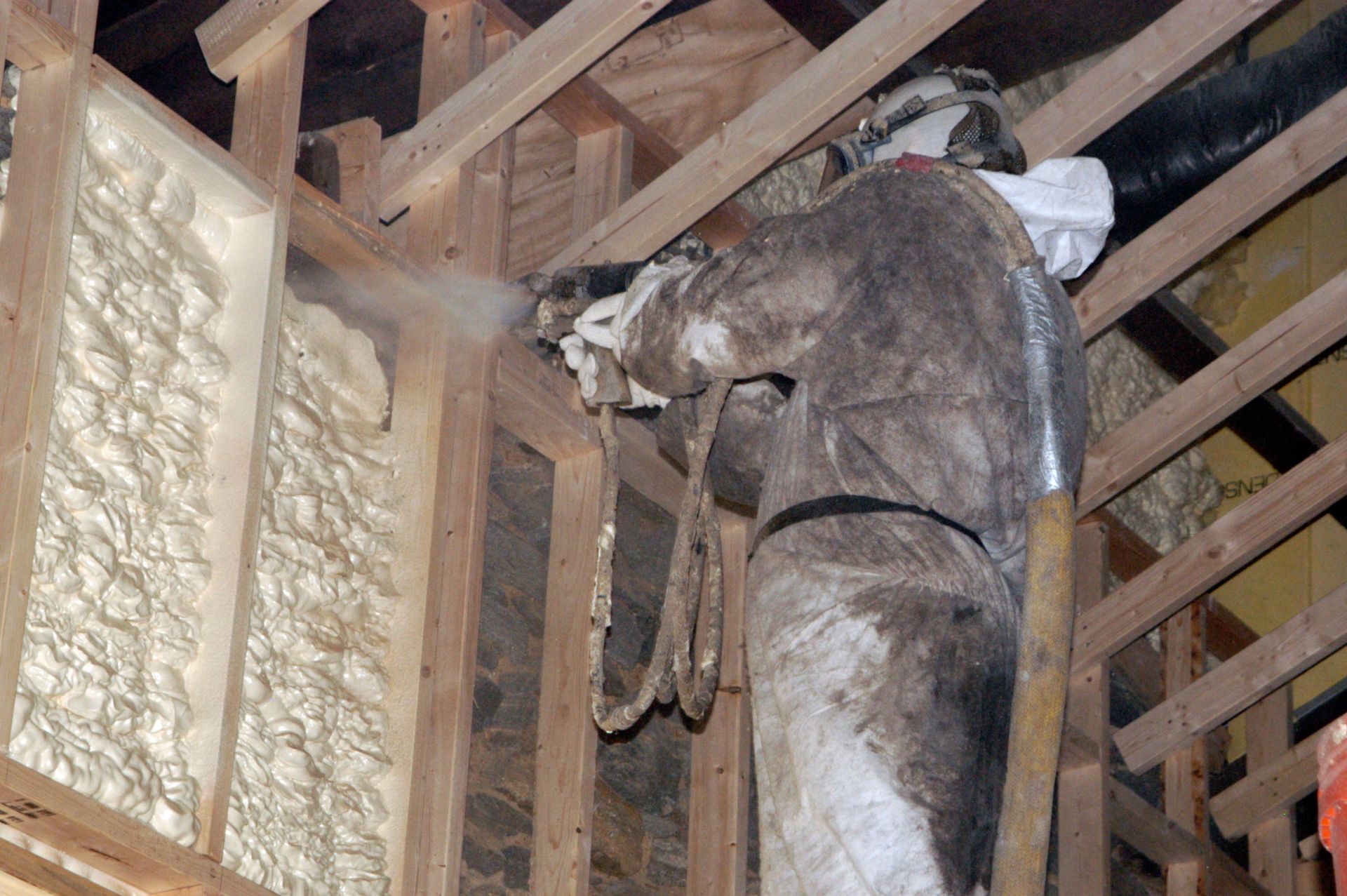
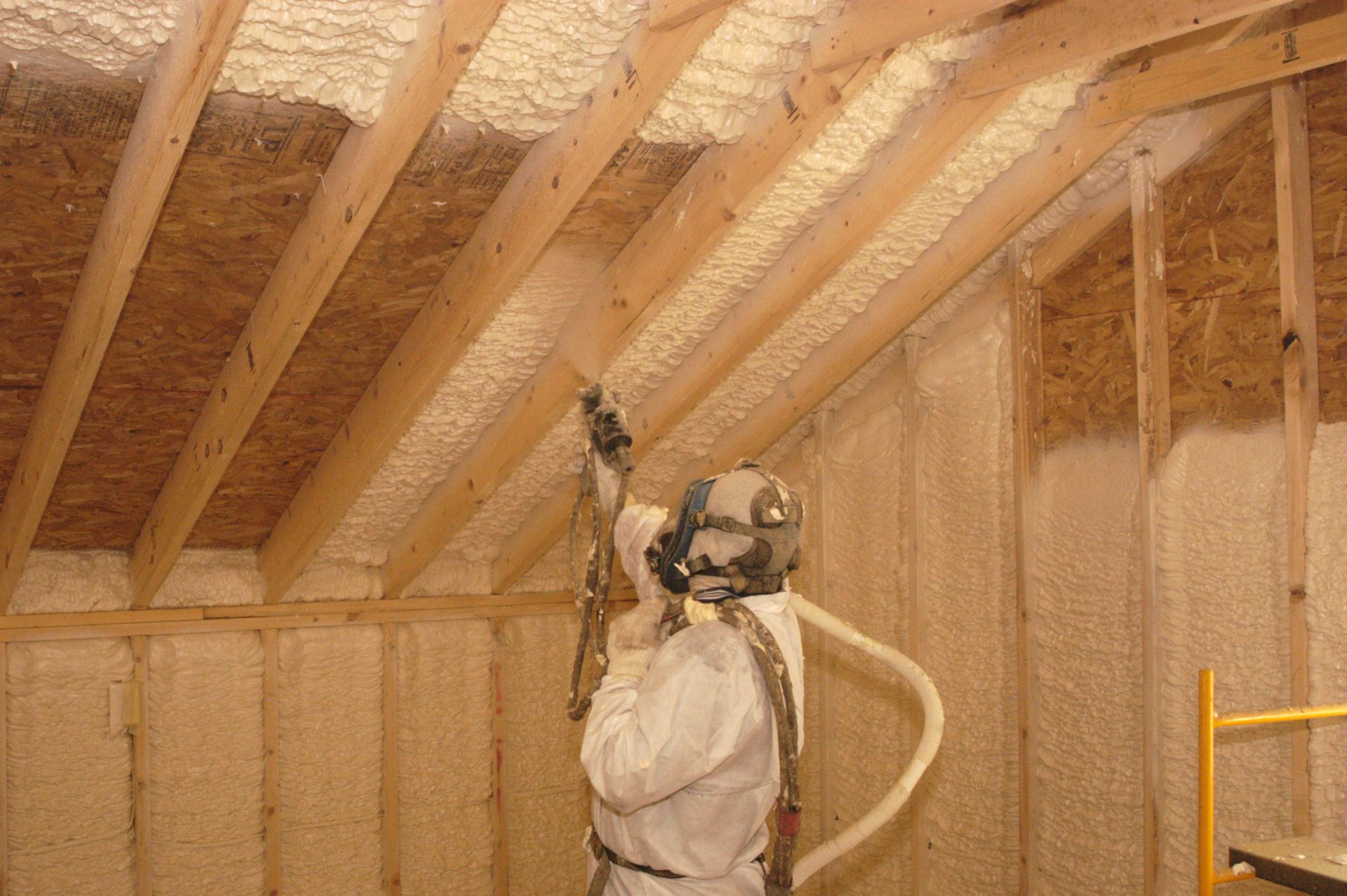
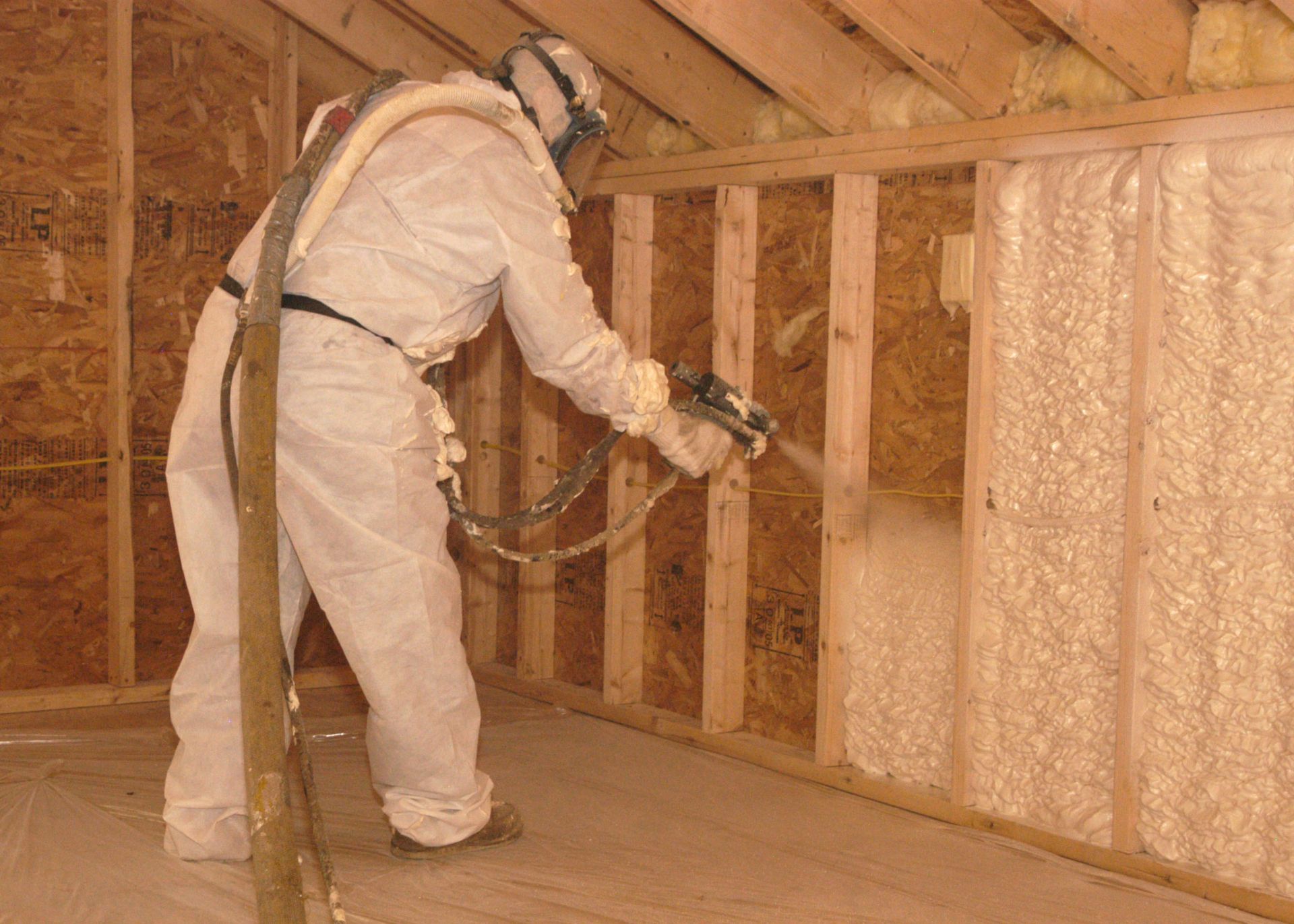
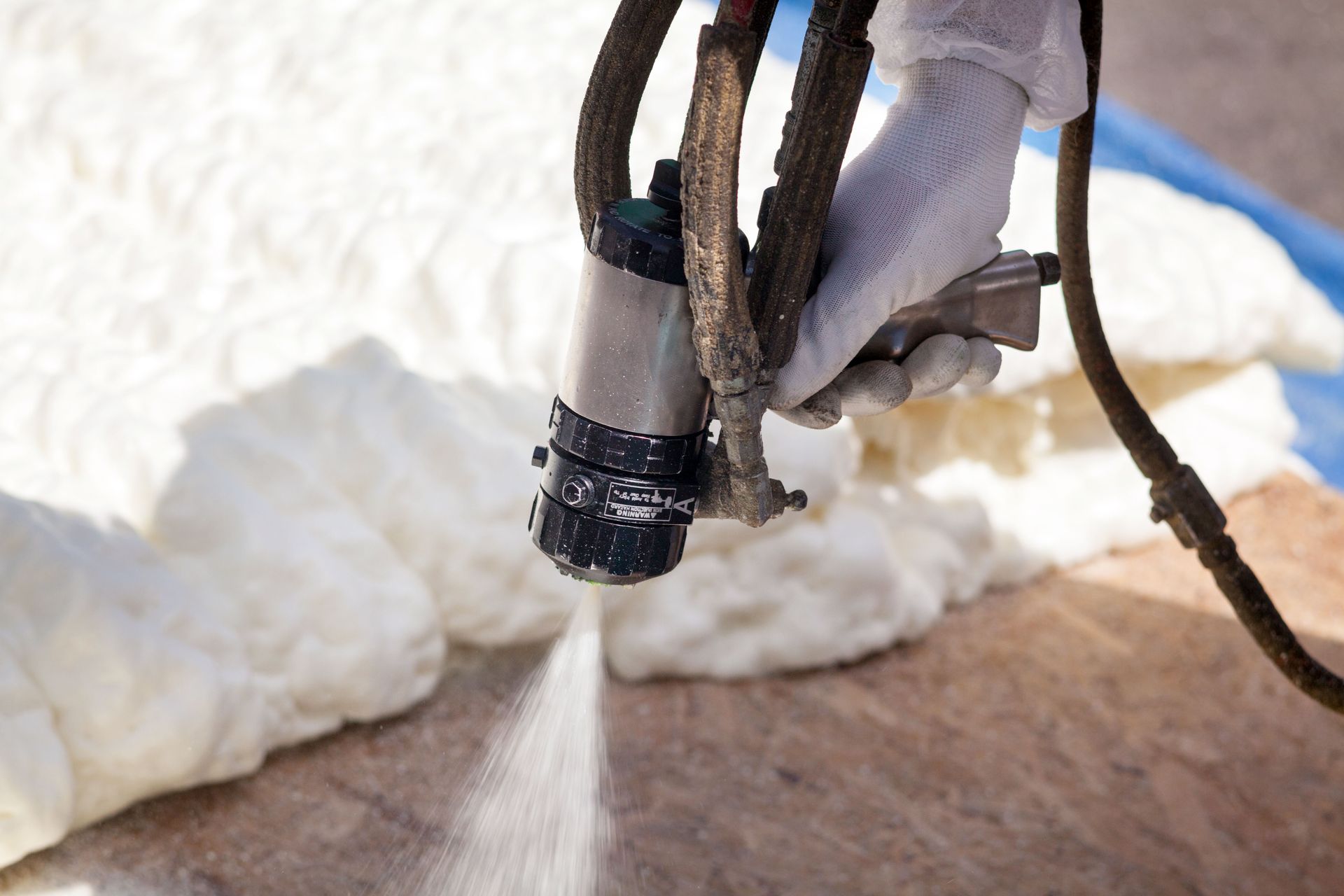
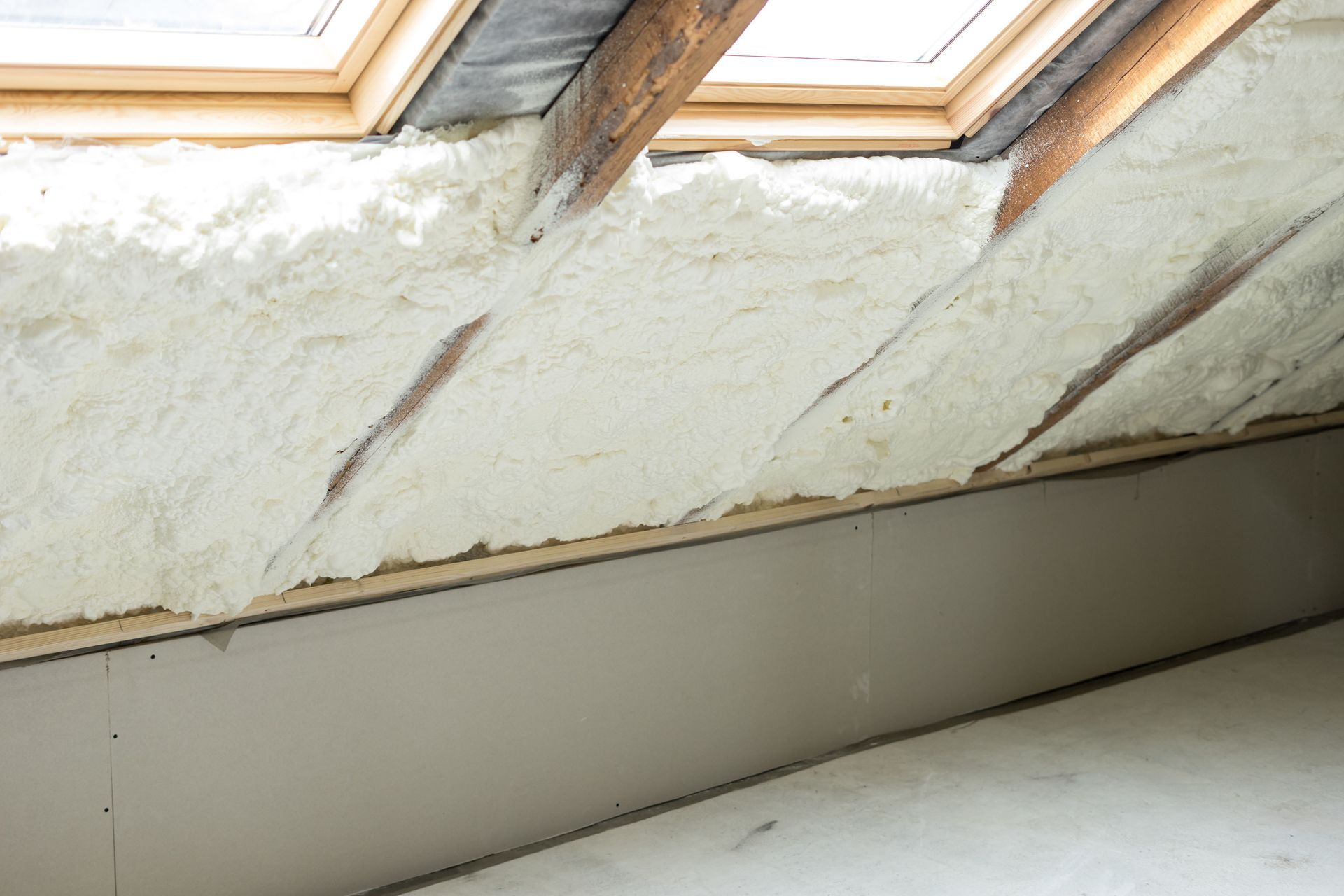
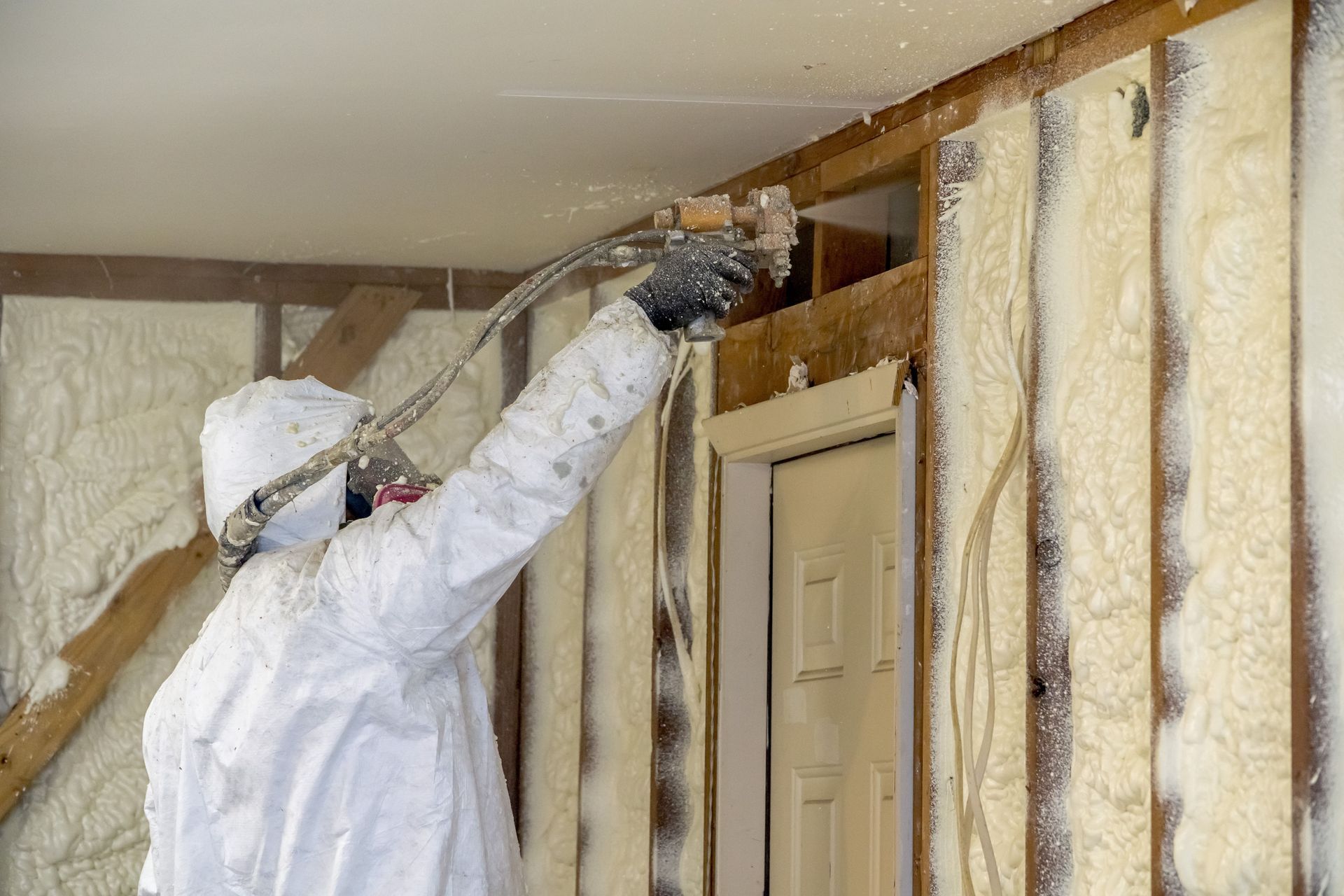
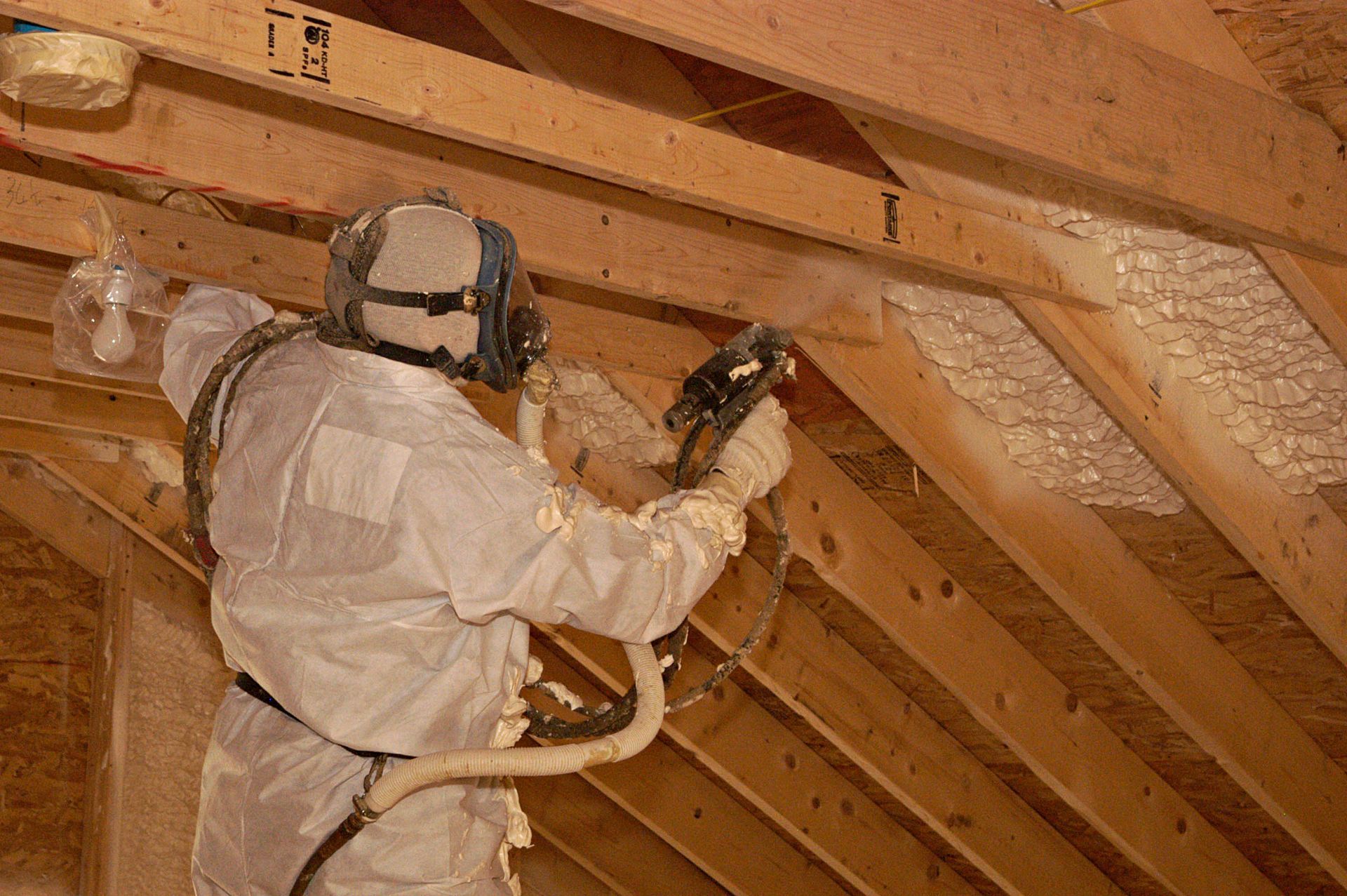
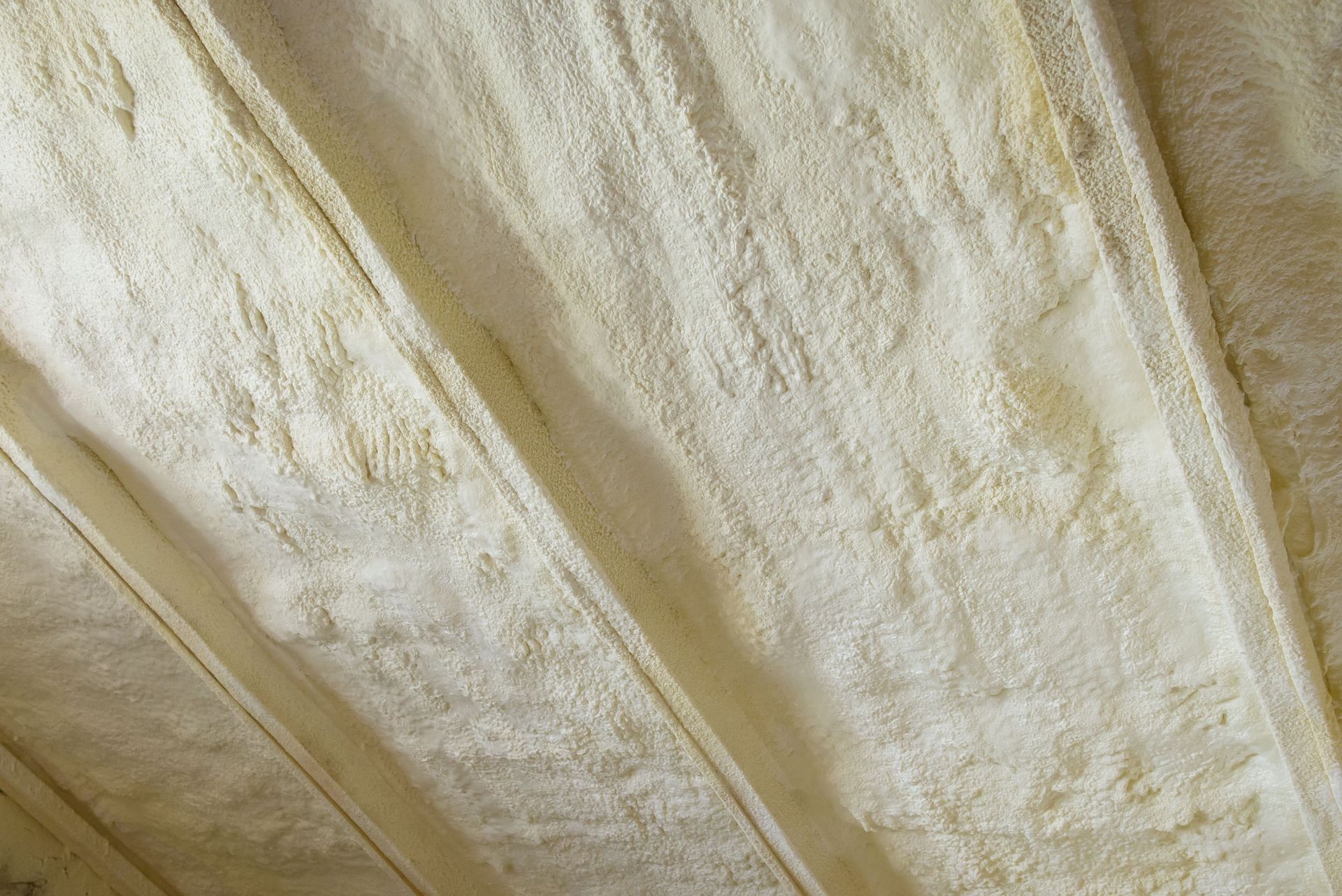
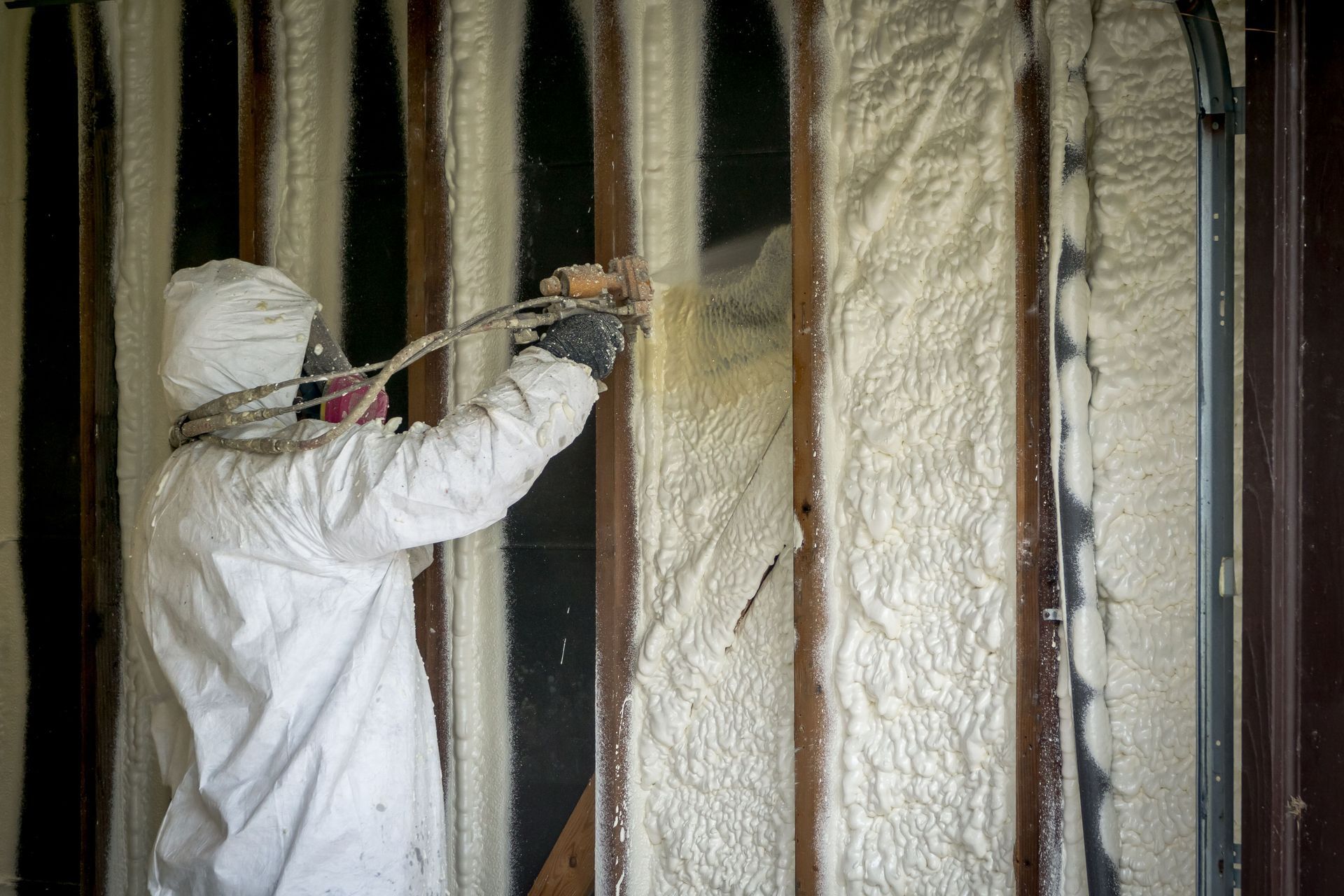
There are several types of insulation materials commonly used in the construction industry, each with unique characteristics and applications. Fiberglass insulation, one of the most popular choices, is known for its affordability and relatively high R-value per inch. It's available in batts and rolls, making it easy to install in attics, walls, and floors. Another option is spray foam insulation, which expands upon application to fill gaps and provide an effective air seal. This type is ideal for irregular spaces and offers superior thermal resistance, albeit at a higher cost than traditional batt insulation.
In addition to fiberglass and spray foam, rigid foam insulation panels are a versatile choice for insulation projects. These panels are suitable for both interior and exterior applications, offering high thermal resistance and moisture protection. Rigid foam is an excellent option for insulating basements and foundations, where moisture control is crucial. Some homeowners also consider eco-friendly options like cellulose and wool insulation, which provide comparable performance with a lower environmental impact. Choosing the right material depends on factors like budget, climate, and specific project requirements.
R-Value: What It Means and Why It Matters
The R-value is a critical measure in the world of insulation, representing the material's ability to resist heat flow. It's expressed as a numerical value, with higher numbers indicating better insulating properties. The effectiveness of an insulation material is often directly linked to its R-value, making it an essential factor when selecting the right product for your home. A higher R-value product will generally provide better energy efficiency and indoor comfort levels. However, it's essential to consider the climate and specific areas you are insulating, as different parts of your home may require different R-values.
While a high R-value is important, it's not the only factor to consider for effective insulation. The R-value should be balanced with other characteristics like moisture barriers, air infiltration, and installation techniques. For instance, an insulation product with a high R-value but poor installation may result in less efficient energy performance. Likewise, in humid climates, moisture control features alongside R-value can significantly enhance insulation performance. This balance ensures that your home remains comfortable and energy-efficient all year round.
Benefits of Proper Insulation
Enhanced Energy Efficiency
One of the primary benefits of proper insulation is enhanced energy efficiency, significantly reducing the amount of energy required to heat or cool a home. This results from insulation's ability to minimize heat transfer, thereby maintaining a stable indoor temperature without over-reliance on HVAC systems. Consequently, it decreases the demand on heating and cooling systems, extending their lifespan and reducing maintenance costs. Improved energy efficiency directly translates to less energy consumption, aligning with sustainability goals and reducing carbon footprints.
Insulation's role in energy efficiency is underscored by its ability to contribute to consistent temperatures within the living space. By keeping environments warm in winter and cool in summer, insulation lessens the operational burden on HVAC systems. In fact, certain insulation technologies can improve a home's energy efficiency significantly, reducing the home's overall energy consumption.
Cost Savings on Utility Bills
One of the most immediate and tangible benefits of proper insulation is the cost savings on utility bills. By improving a home's thermal efficiency, insulation reduces the energy needed to maintain comfortable indoor temperatures. In turn, this decrease in energy demand translates directly into lower heating and cooling costs. Over time, the cumulative savings on energy bills can offset the initial investment in insulation installation. Homeowners are often surprised to find that their significant drop in utility costs quickly contributes to recouping their insulation expenses.
In addition to immediate savings, proper insulation also provides a hedge against rising energy costs. As energy prices fluctuate based on market dynamics, homeowners with well-insulated homes experience less volatility in their monthly utility expenses. This stability is particularly crucial in regions with extreme weather conditions that necessitate high energy usage. Insulation acts as a financial buffer, ensuring predictable energy costs despite external market changes.
Improved Indoor Comfort Levels
Another significant advantage of proper insulation is the improved comfort levels within a home. A well-insulated space maintains stable indoor temperatures, ensuring warmth during cold seasons and coolness during hot seasons. This stability eradicates cold drafts or hot spots, creating a uniformly comfortable environment throughout the home. Enhanced comfort leads to a higher quality of life, promoting overall health and well-being.
Beyond temperature regulation, proper insulation also contributes to consistent indoor humidity levels, which are crucial for comfort and health. Insulation materials with moisture control properties prevent excessive indoor humidity that could lead to discomfort, mold growth, or structural damage. This regulation of humidity creates a healthier environment by limiting respiratory irritants and allergens. Effective humidity management through insulation additionally supports the preservation of home furnishings, finishes, and building materials.
Soundproofing and Noise Reduction
Proper insulation offers valuable benefits in terms of soundproofing and noise reduction, creating a quieter living space. Different materials possess distinct sound-absorbing capabilities, with some insulation types specifically designed to minimize noise transmission. In urban settings or areas with significant external noise, insulation can effectively dampen sounds from traffic, neighbors, or other disturbances. This reduction in noise levels significantly enhances indoor comfort by fostering a tranquil environment conducive to relaxation and concentration.
Soundproofing and noise reduction through insulation are achieved by the material's density and the installation technique employed. Denser insulation materials, engineered for sound absorption, trap and dissipate sound waves, preventing them from passing through walls, ceilings, or floors. Gypsum board or additional layers of drywall can work in conjunction with insulation to further enhance soundproofing efforts. Strategically combining materials ensures effective noise reduction, helping maintain peace and quiet within rooms.
Proper insulation is a cornerstone of a comfortable, energy-efficient home. By effectively regulating indoor temperatures, managing humidity, and reducing noise, it enhances both livability and long-term cost savings. Understanding R-values, selecting the right materials, and ensuring correct installation are essential steps for maximizing these benefits. As energy costs rise and environmental awareness grows, investing in high-quality insulation is not just a practical choice; it is a long-term strategy that supports sustainability, comfort, and financial efficiency. Well-insulated homes deliver year-round comfort while reducing energy consumption, making them a smart investment for homeowners and builders alike. Upgrade your home's comfort and energy efficiency today with TLC Spray Foam Solutions LLC.

Share On: