What Makes Spray Foam Insulation a Superior Choice for Residential and Commercial Buildings
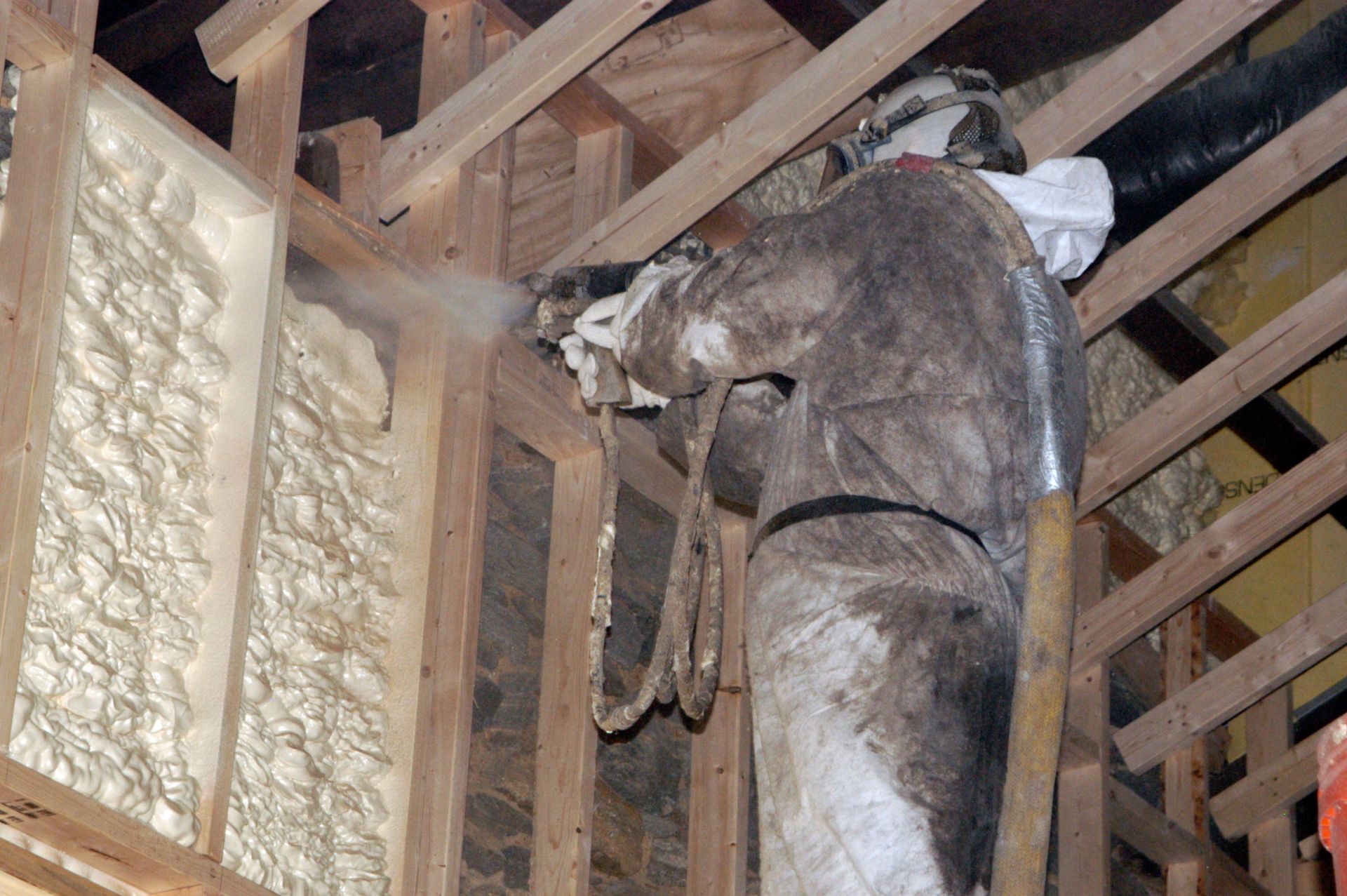
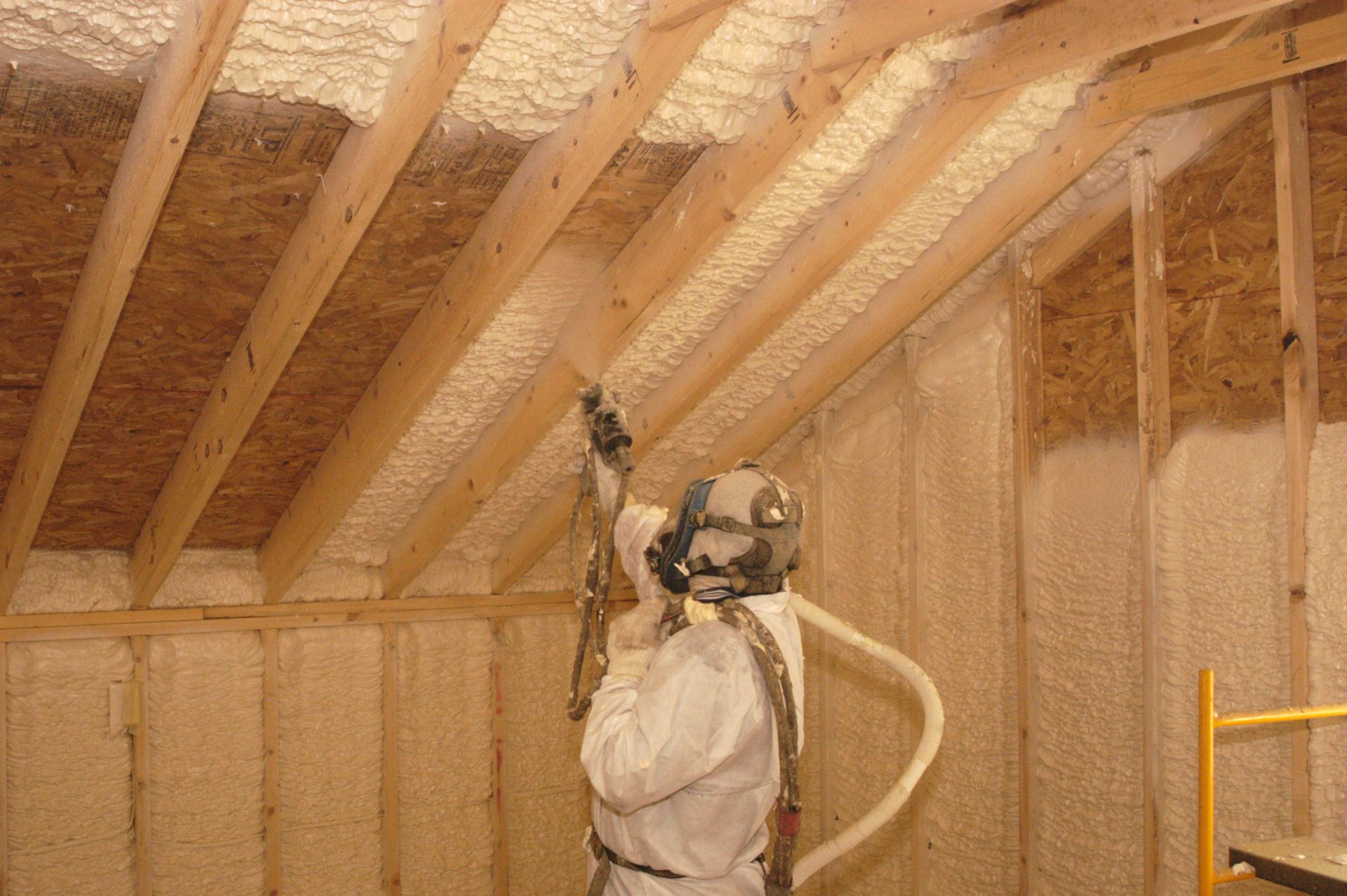
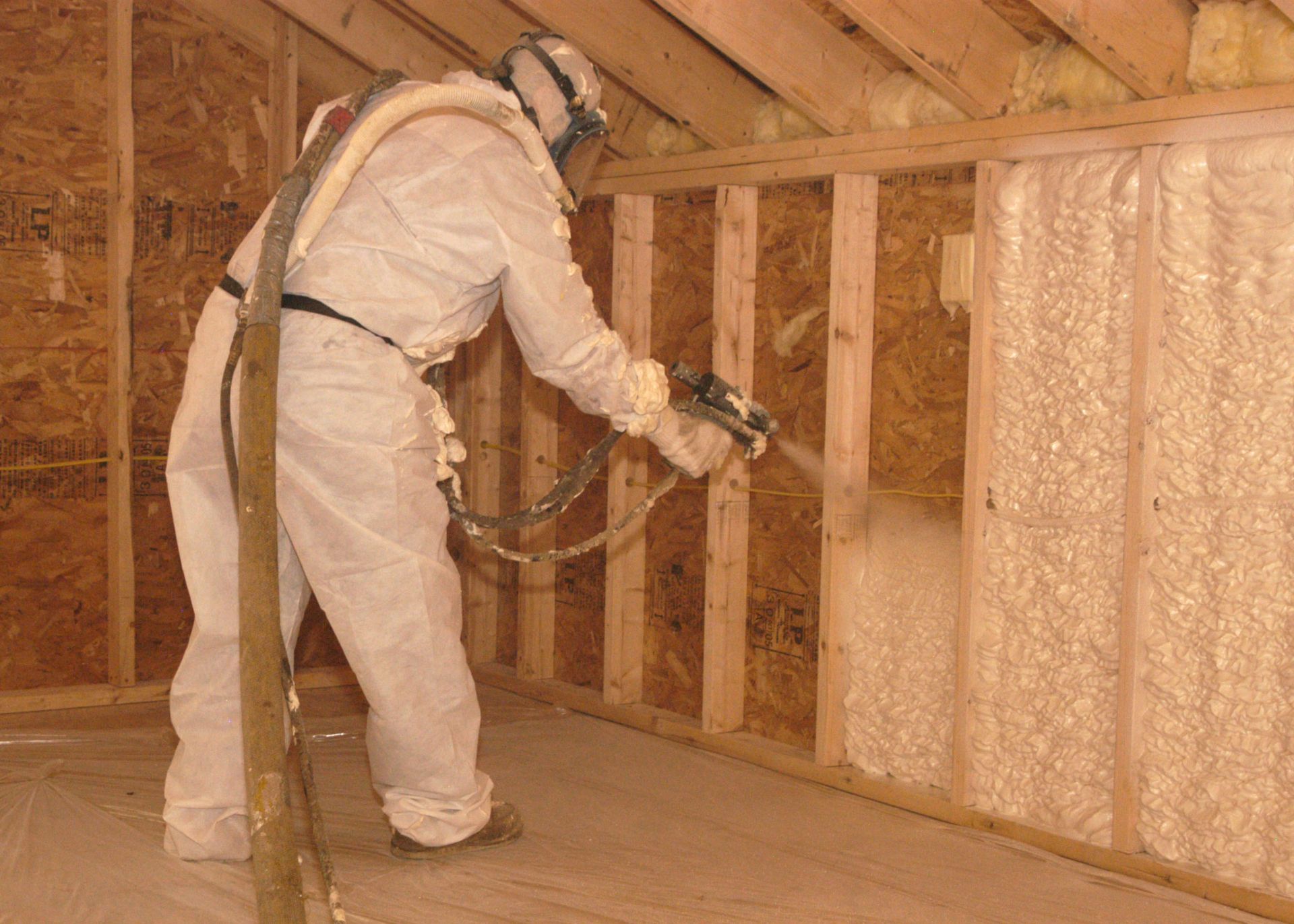
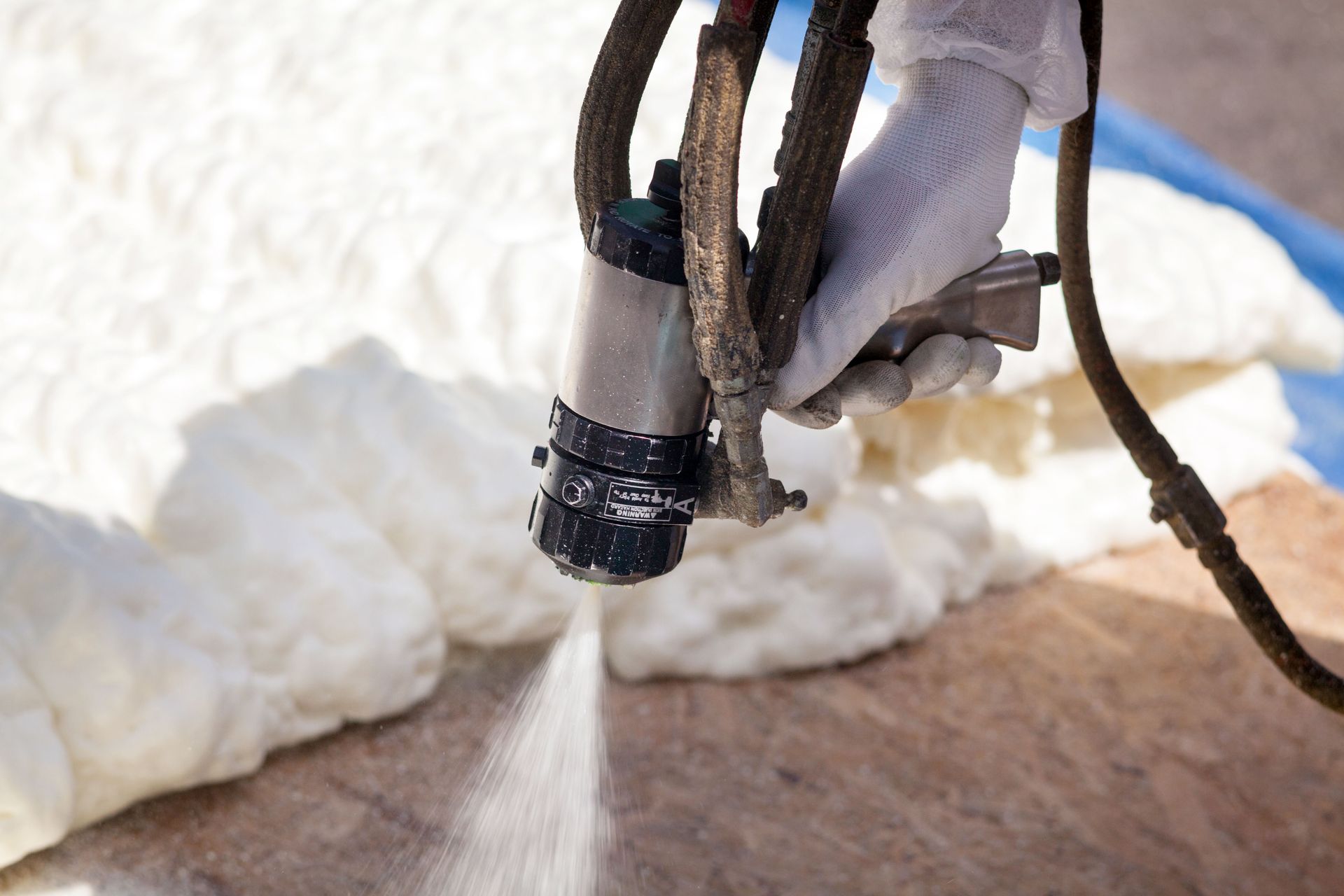
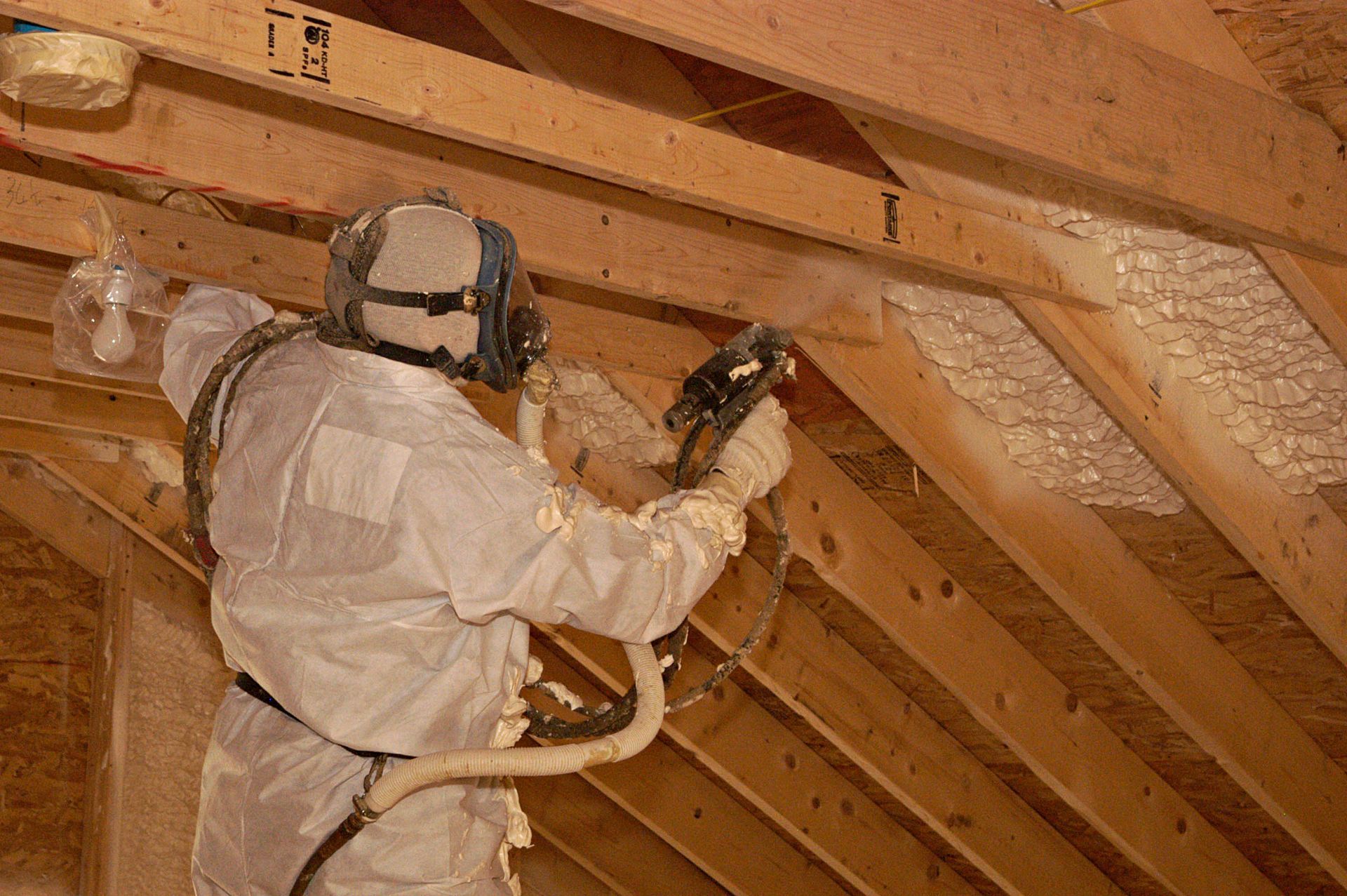
Spray foam insulation has become one of the most effective solutions for improving energy performance and indoor comfort in both residential and commercial properties. As building owners search for reliable ways to create controlled environments and reduce utility costs, spray foam continues to stand out. Its impressive ability to fill cavities, block airflow, and provide long-term stability positions it ahead of many traditional insulation methods. According to Today's Homeowner, after it is sprayed onto surfaces, spray foam expands up to 30 times its original size, sealing holes and gaps that other types of insulation often overlook. This expansion capability is one of the major reasons spray foam achieves a complete and dependable barrier throughout an entire building.
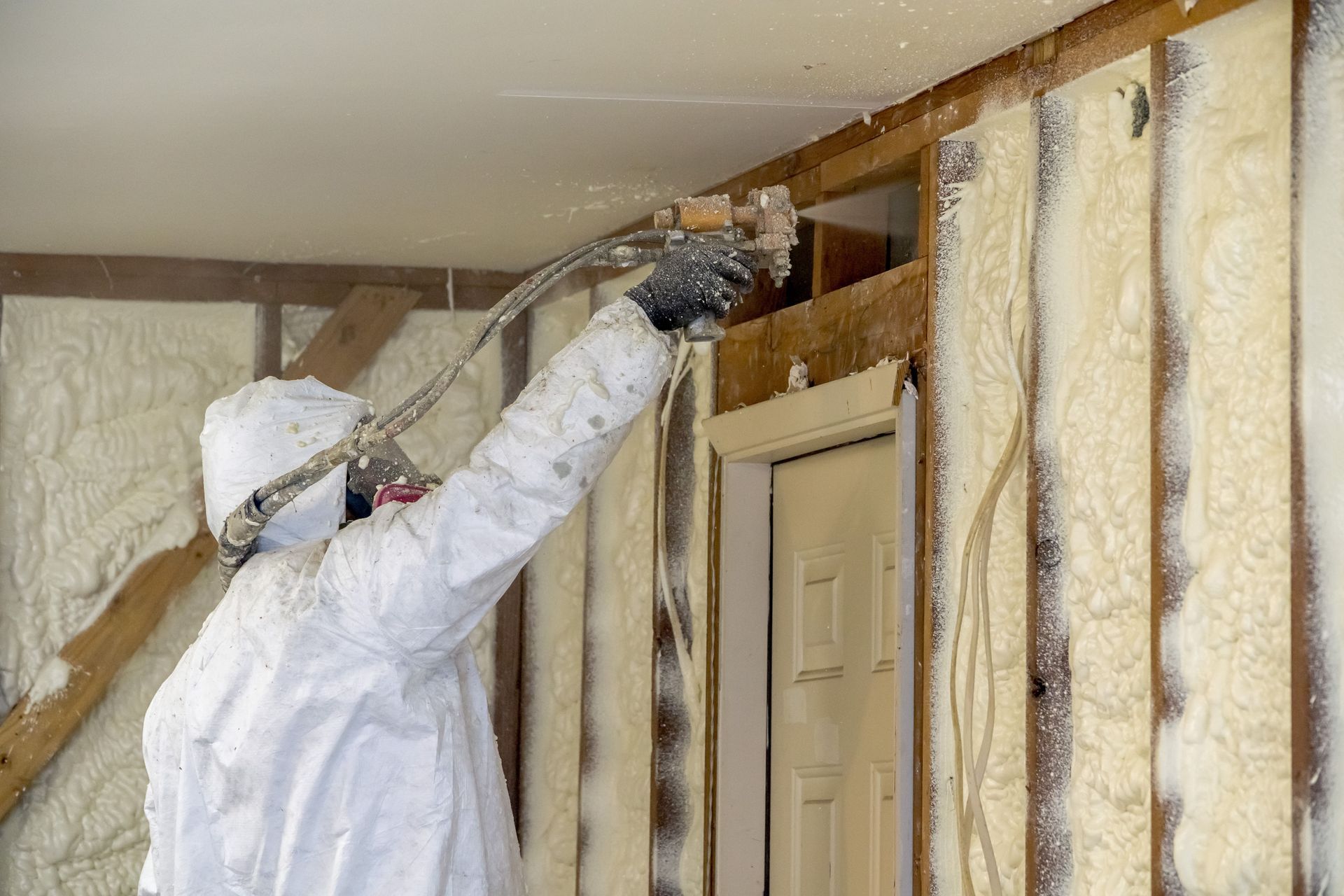
Today's property owners are also increasingly aware of the environmental and financial advantages that come with improved insulation. Spray foam reduces heat loss, minimizes air infiltration, and contributes to lower energy consumption throughout the year. These benefits make it a strong investment for anyone seeking better efficiency and comfort. Working with a local spray foam insulation contractor provides the added benefit of professional application, proper material selection, and long-lasting results. This article explores the most significant advantages of spray foam insulation, presenting a clear picture of its value and performance for a variety of building types.
Improving Energy Efficiency Through High-Performance Thermal Protection
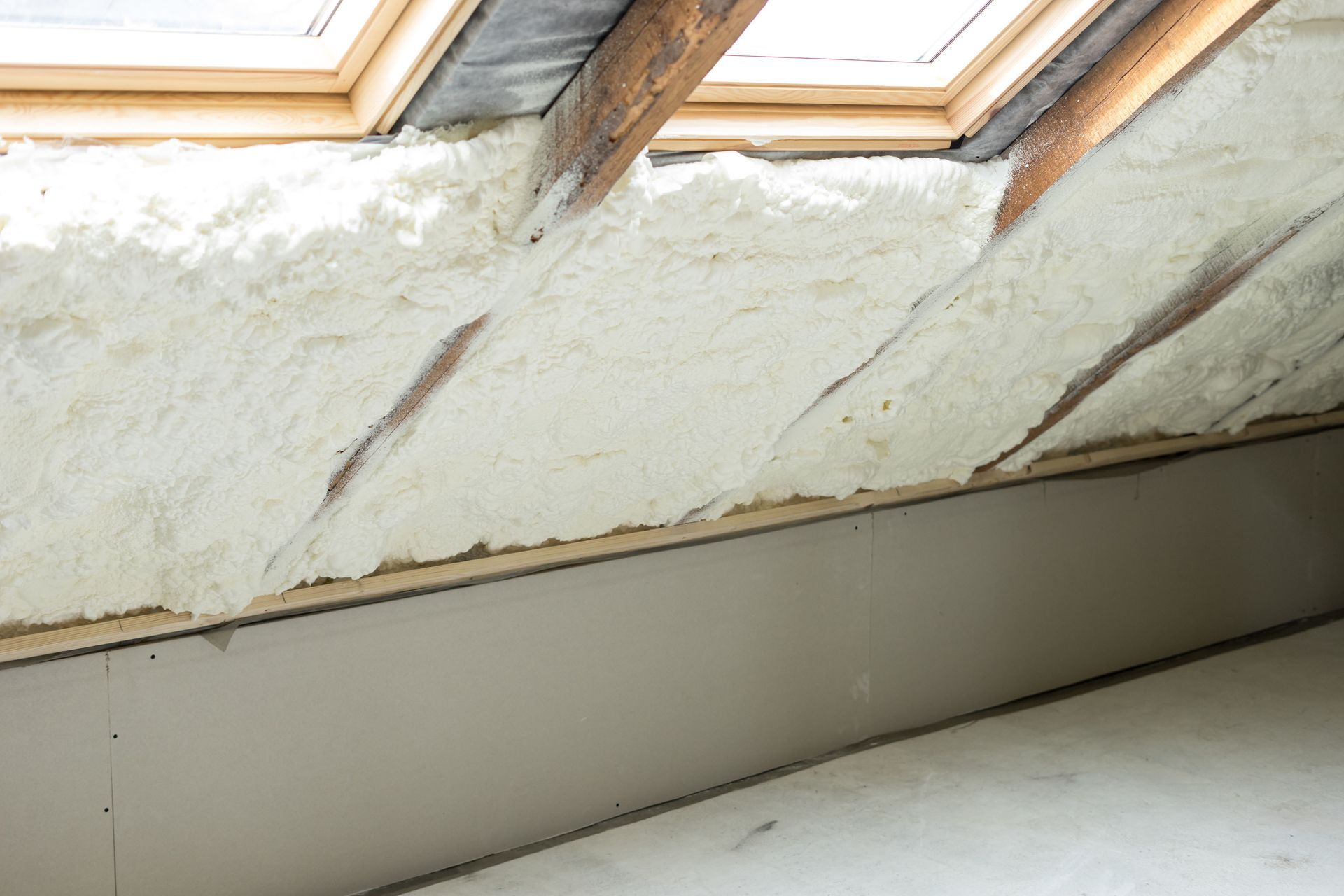
One of the most notable advantages of spray foam insulation is its exceptional insulating power. Its high R-value is significantly greater than that of many traditional insulation materials, which allows it to resist heat flow more effectively. Spray foam's unique composition enables it to conform to irregular shapes, fill voids, and reach areas that are challenging to insulate with other products. Its ability to create a continuous barrier around a building is an essential factor in maintaining stable indoor temperatures.
This improved thermal resistance helps minimize the workload on HVAC systems. During colder months, the insulation retains warm air inside, reducing the need for constant heating. During warmer seasons, it prevents hot outdoor air from entering, which results in less reliance on air conditioning. These advantages not only increase comfort but also help lower monthly utility costs for both homes and businesses. Buildings insulated with spray foam often experience more balanced temperatures, fewer drafts, and greater overall indoor stability.
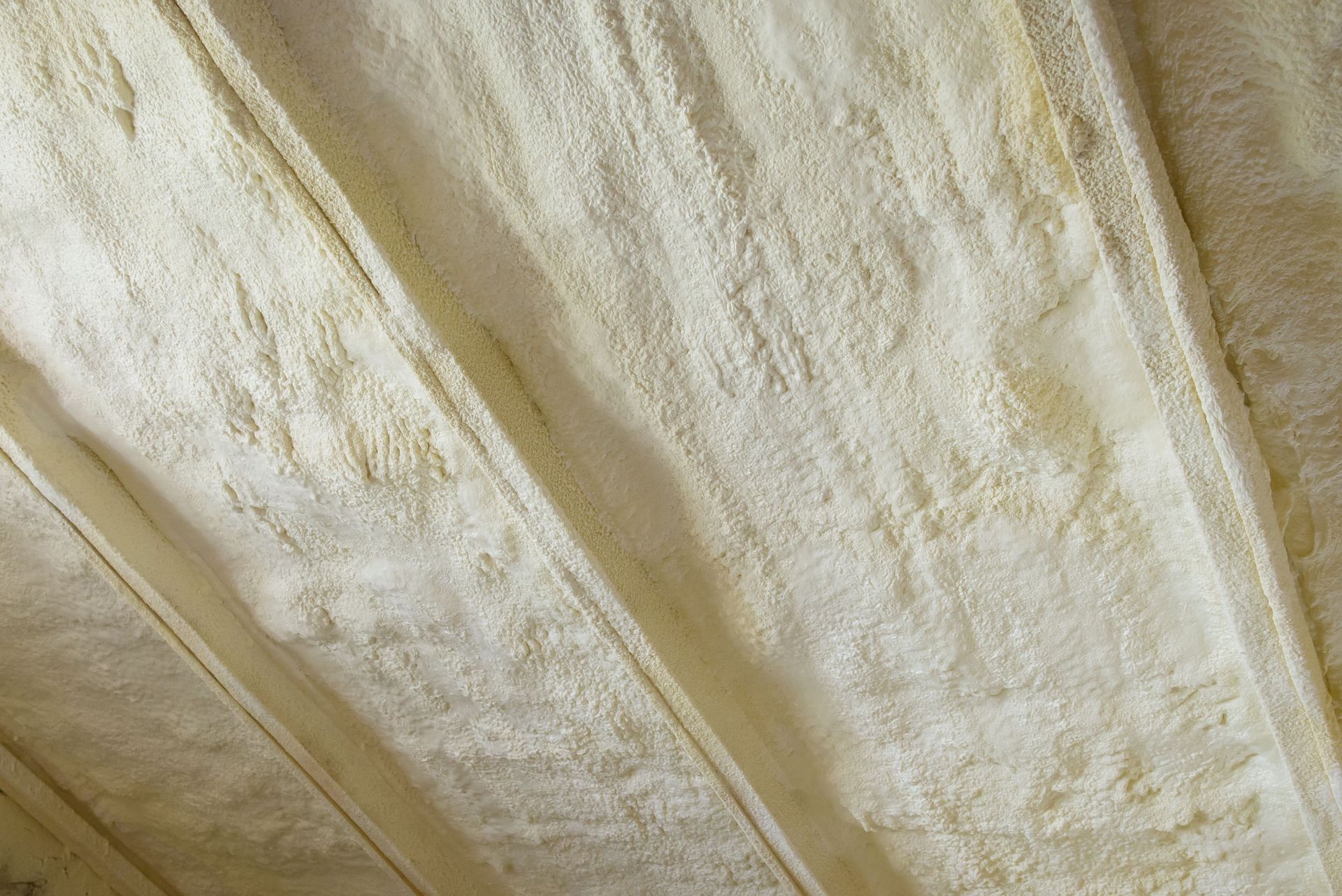
The closed-cell structure found in many spray foam products also helps reduce conductive and convective heat transfer. With fewer air pockets and a more consistent density, spray foam can deliver uniform insulating performance across every surface it covers.
Enhancing Indoor Quality Through Air Sealing and Moisture Control
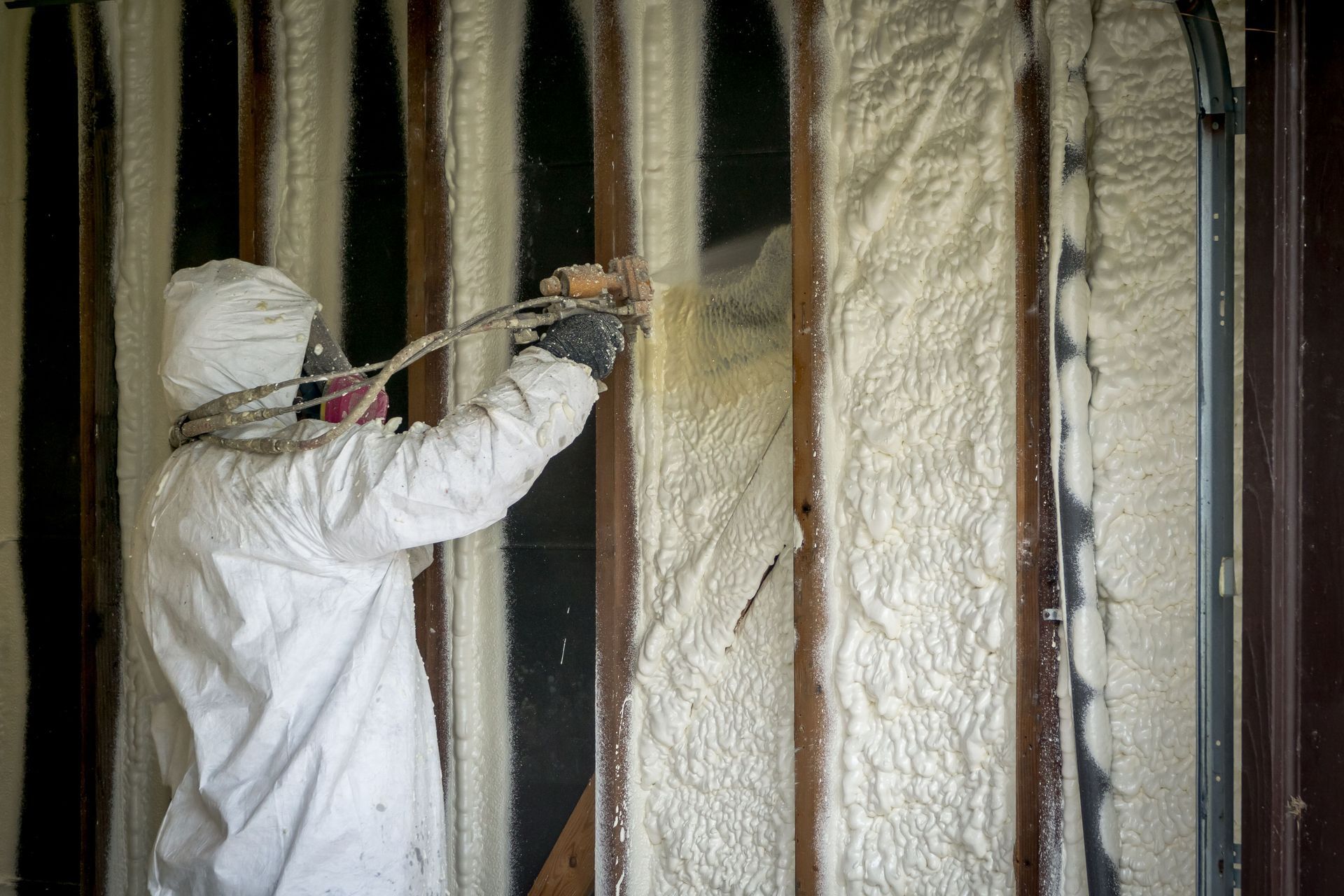
Another defining benefit of spray foam insulation is its unique air sealing capability. Traditional insulation often allows air to pass through gaps or seams, which can result in uneven temperatures, higher energy use, and reduced indoor comfort.Spray foam, however, expands to fill cavities completely. According to Today's Homeowner, spray foam expands up to 30 times its original size, which allows it to seal holes and gaps that other insulation materials often miss. This creates a more complete and airtight environment.
Preventing unwanted air infiltration has a significant impact on indoor air quality. By limiting the entry of outdoor allergens, pollutants, dust, and moisture, spray foam helps create cleaner and healthier indoor conditions. Reduced humidity levels also minimize the risk of mold and mildew growth, which can protect both building occupants and structural components. A controlled indoor environment is especially beneficial for businesses that rely on consistent climate conditions for equipment, inventory, or sensitive materials.
Moisture management is another critical advantage of spray foam. Because it forms a tight seal, it discourages condensation buildup inside walls and ceilings. Proper moisture control contributes to long-term structural preservation, reducing the risk of wood rot, rust, or deterioration caused by prolonged exposure to dampness. The insulation also strengthens the building envelope by reinforcing surfaces and reducing the risk of future air leaks caused by shifting materials or environmental changes.
Reducing Long-Term Costs Through Durable and Sustainable Insulation
Spray foam insulation delivers long-term durability that surpasses many other forms of insulation. Once applied, it adheres securely to building surfaces and maintains its shape without sagging or settling over time. This is a key advantage over fiberglass or cellulose, which may shift, compress, or degrade. The stability of spray foam ensures that its insulating and air sealing capabilities remain effective for decades, which helps protect the building and preserve energy savings well into the future.
One of the most attractive aspects of spray foam insulation is the cost savings it provides. Reduced energy consumption often leads to noticeable reductions in monthly utility bills. In many cases, the savings gained from improved efficiency help offset the initial investment. Buildings that maintain consistent temperatures also reduce wear and strain on heating and cooling systems, potentially extending the lifespan of HVAC equipment. Long-term maintenance costs may also decrease due to reduced moisture infiltration and the prevention of structural issues that can arise from poor insulation.
Environmental benefits are another important part of spray foam's appeal. By lowering energy usage, spray foam contributes to reduced carbon emissions and more sustainable building operations. Many property owners recognize the role insulation plays in environmental responsibility. Spray foam creates a durable barrier that supports long-term performance, reducing the need for frequent replacements or repairs. When guided by a knowledgeable local spray foam insulation contractor, building owners can select formulations that align with their goals for sustainability and efficiency.
Meeting Diverse Building Needs Through Versatile Application Options
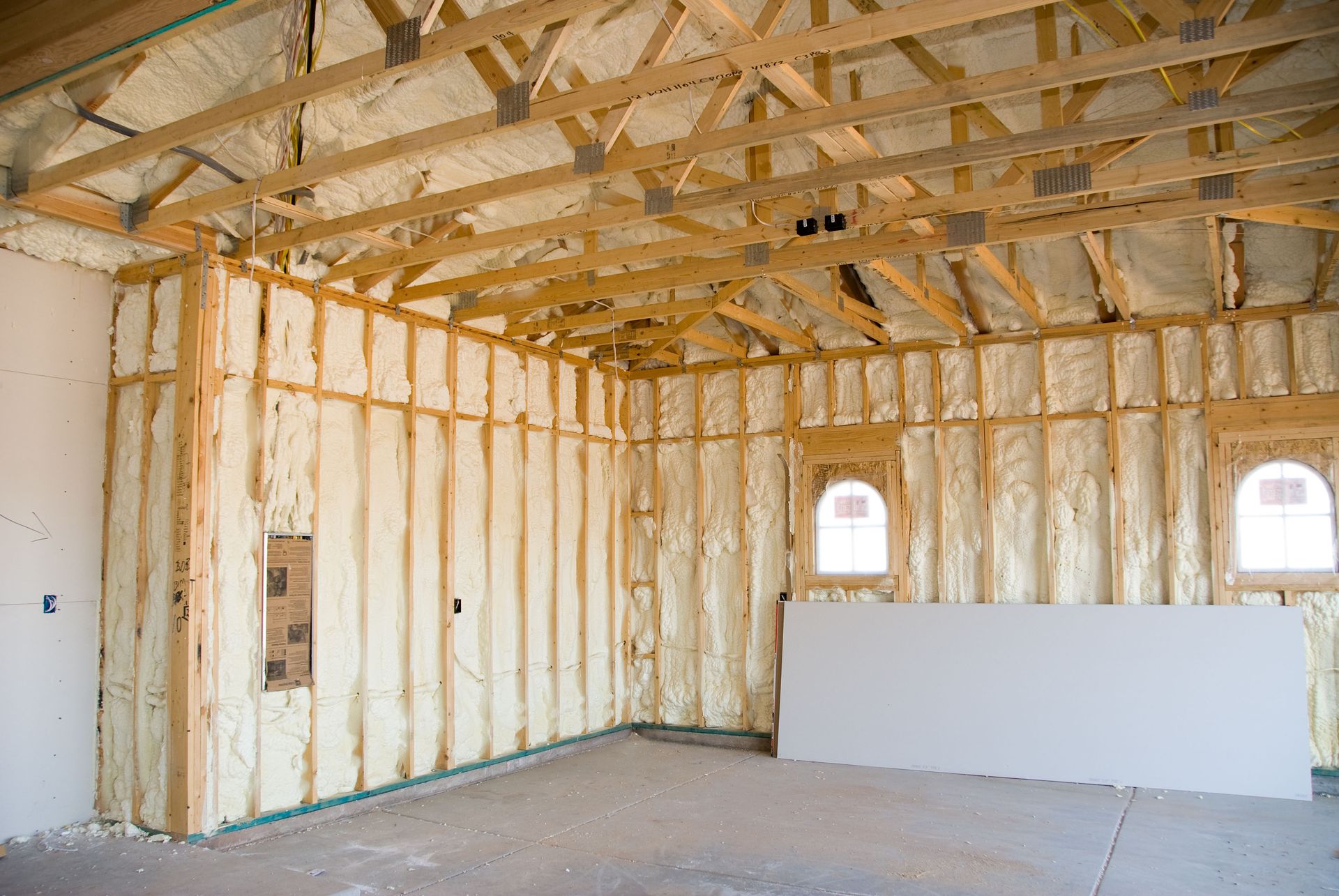
Spray foam insulation is known for its versatility, making it suitable for a wide variety of building types and layouts. Homes with irregular framing, older buildings with unique architectural features, and commercial properties with complex mechanical systems all benefit from spray foam's adaptable nature. It can be applied in attics, basements, crawl spaces, walls, roofs, and hard-to-reach cavities where other insulation products may fall short.
For residential properties, spray foam enhances comfort, reduces noise, and supports better indoor air quality. Families enjoy more consistent temperatures and fewer drafts throughout the home. In commercial settings, spray foam helps regulate indoor conditions for warehouses, offices, retail spaces, and manufacturing facilities. Businesses often seek out a reliable local spray foam insulation contractor to ensure that specialized areas receive the correct insulation type and thickness for optimal performance.
Spray foam's ability to contribute to structural support also provides value in both settings. By strengthening walls and improving overall building integrity, it enhances durability and offers secondary benefits beyond insulation alone. This added structural reinforcement can be especially helpful in regions that experience temperature extremes, high humidity, or frequent weather changes.
Spray foam insulation offers a wide range of benefits that make it an excellent choice for both homeowners and business owners seeking improved energy efficiency, comfort, and long-term performance. Its exceptional insulating power, superior air sealing abilities, moisture control benefits, and long-term durability create a strong foundation for healthier and more cost-effective buildings.
From environmental benefits to energy savings and structural support, spray foam insulation aligns with modern expectations for high-performance building materials. Whether for a new construction project or an upgrade to an existing property, its value continues to stand out. If you are considering improving your building's insulation, now is the ideal time to explore the advantages of spray foam.
To get started on creating a more efficient and comfortable space, reach out to a local spray foam insulation contractor like TLC Spray Foam Solutions LLC today and take the first step toward long-lasting results.
Share On: